ICBA Joins UAE Delegation for Technical Visits at GreenTech Amsterdam 2026
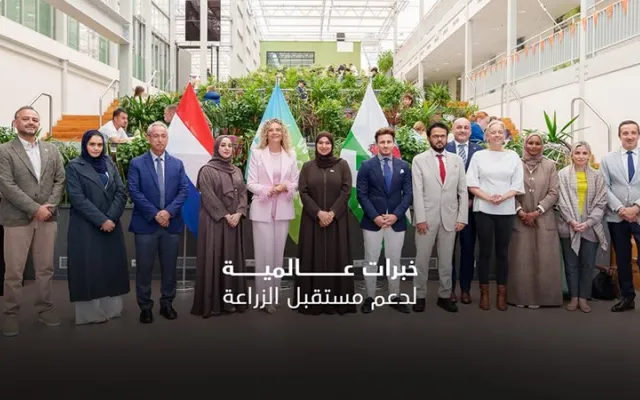
ICBA joined the UAE delegation, headed by H.E. Dr. Amna bint Abdullah Al Dahak, Minister of Climate Change and Environment, during a series of technical visits held on the sidelines of GreenTech Amsterdam 2026.
The visits provided an opportunity to exchange knowledge, explore the latest agricultural innovations, and discuss potential areas of collaboration with international research and agricultural institutions, in support of agricultural innovation and sustainable food production in the UAE and the wider region.
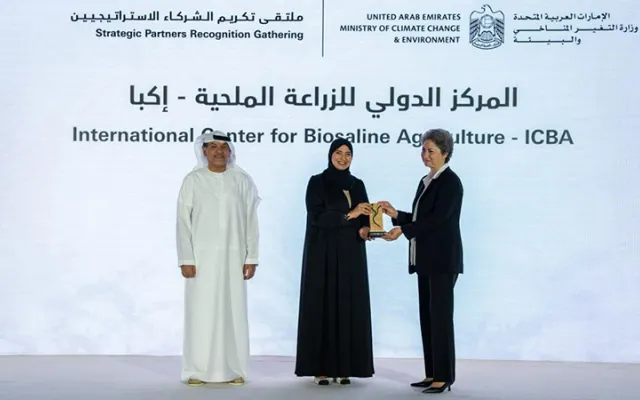
ICBA Recognized among Strategic Partners of the Ministry of Climate Change and Environment
ICBA was recognized among the strategic partners of the Ministry of Climate Change and Environment, in appreciation of its continued contribution to national priorities in environmental sustainability, biodiversity, food security, and sustainable natural resource management.
ICBA extends its sincere appreciation to H.E. Dr. Amna bint Abdullah Al Dahak, Minister of Climate Change and Environment, and to the Ministry for this recognition, and reaffirms its commitment to supporting science-based solutions and strategic partnerships that advance sustainability in the UAE and beyond.
Millet Harvest Event Marks ICBA’s World Environment Day Celebrations
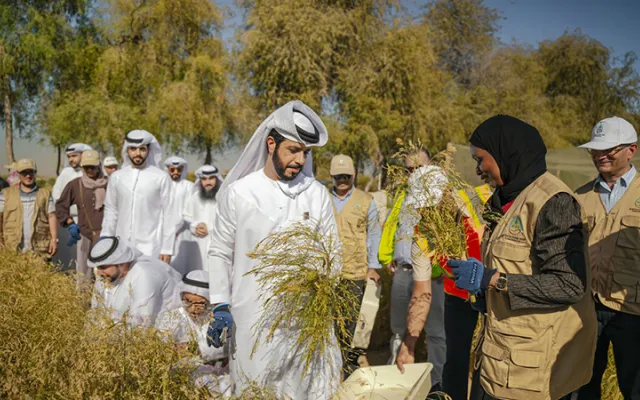
ICBA organized “Millets Harvest Day” to mark World Environment Day, building on the National Agricultural Initiative for the Adoption of Climate-Smart Crops in the UAE, launched by the Ministry of Climate Change and Environment in collaboration with ICBA.
The event was attended by H.E. Dr. Mohammed Salman Al Hammadi, Assistant Undersecretary for the Food Diversity Sector at the Ministry of Climate Change and Environment, alongside senior officials, partners, farmers, researchers, decision-makers, and university students. It highlighted the importance of millets as climate-smart crops that can tolerate heat, salinity, drought, and water scarcity.
The program featured a live millet harvesting activity and the showcase of “Resilience”, ICBA’s millet-based food prototype, demonstrating how climate-smart crops can move from field research into practical and sustainable food options.
ICBA Contributes to Regional Dialogue on Water Resilience at the 7th Arab Water Forum
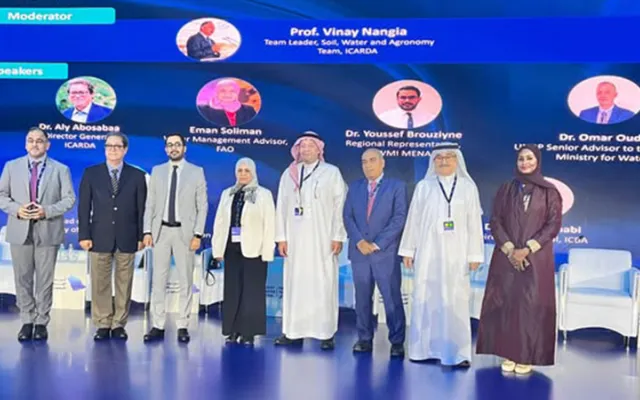
Dr. Tarifa Alzaabi, Director General of ICBA, participated in a high-level panel during the 7th Arab Water Forum, held in Jeddah as part of Saudi Water Week 2026. She joined experts and institutional leaders in Plenary Session 1, titled “Regional Actions for Water Resilience under a Changing Climate”.
Convened by the International Center for Agricultural Research in the Dry Areas (ICARDA) in collaboration with the Arab Water Council, the session examined practical approaches to addressing growing water challenges across the region. Dr. Alzaabi shared ICBA’s perspective on the contribution of science-based agricultural solutions to improving water-use efficiency, strengthening agricultural adaptation to climate change and supporting water and food security in arid and saline environments.
Abu Dhabi Agriculture and Food Safety Authority Delegation Visits ICBA to Explore Opportunities for Collaboration in Sustainable Agriculture
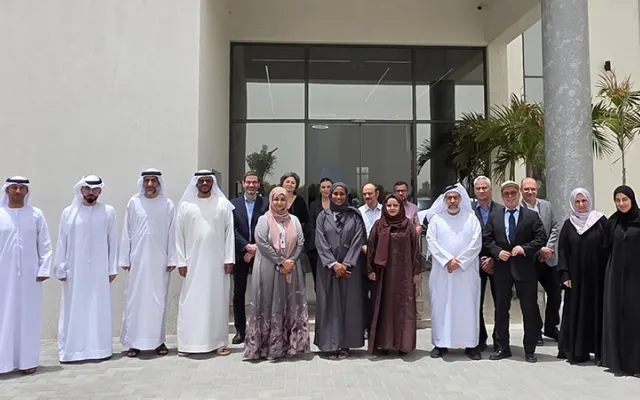
A senior delegation from the Abu Dhabi Agriculture and Food Safety Authority visited ICBA at its headquarters in Dubai, where they were welcomed by H.E. Dr. Tarifa Alzaabi, Director General of ICBA.
The delegation included H.E. Mouza Suhail Al Muhairi, Deputy Director General for Regulatory and Administrative Affairs; H.E. Nasser Mohamed Aljneibi, Deputy Director General for Operational Affairs; H.E. Mubarak Al Qusaili Al Mansouri, Advisor to the Director General; and H.E. Dr. Sayed Essam Al Hashmi, Acting Executive Director of the Development and Innovation Sector, alongside other senior officials and experts from the Authority.
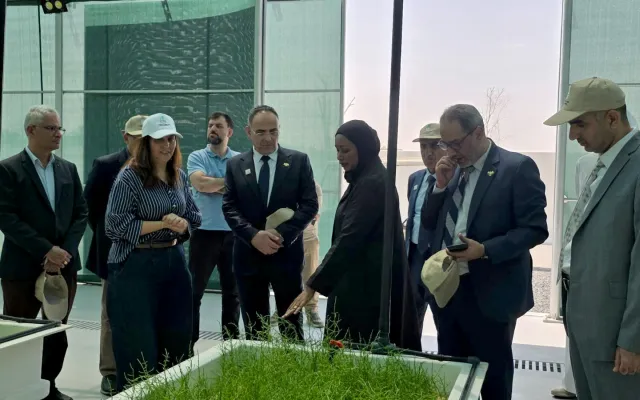
The visit focused on opportunities to strengthen cooperation in sustainable agriculture, biosaline production systems, soil and water management, wheat improvement, and scalable forage production models to support livestock systems in the UAE. It also included a field tour of ICBA’s facilities and discussions on future research and technical collaboration to support more efficient and sustainable agri-food systems.
ICBA Hosts Syrian Minister of Agriculture and Senior Officials to Discuss Sustainable Agricultural Development
A high-level delegation from the Syrian Arab Republic visited ICBA to explore opportunities for cooperation in sustainable agriculture and natural resources management.
The delegation included H.E. Dr. Amjad Hamad Badr, Minister of Agriculture; H.E. Dr. Osama Al Abdullah, Director General of the General Commission for Scientific Agricultural Research; and H.E. Dr. Naser Eddin Al Obaid, Director General of the Arab Center for the Studies of Arid Zones and Drylands.
The delegation was welcomed by H.E. Dr. Tarifa Alzaabi, Director General of ICBA. Discussions focused on strengthening knowledge exchange and identifying areas for future collaboration in sustainable agriculture, natural resources management, and science-based solutions for arid and saline environments.
ICBA and UNHCR Explore Opportunities for Cooperation
ICBA welcomed senior representatives of the United Nations High Commissioner for Refugees (UNHCR) to its headquarters in Dubai for discussions on potential areas of cooperation. Dr. Tarifa Alzaabi, Director General of ICBA, chaired the meeting with Dr. Khaled Khalifa, Senior Advisor to the High Commissioner and UNHCR Representative to the Gulf Cooperation Council, and Mr. Khaled Kabbara, External Relations Officer at UNHCR UAE.
The discussions explored how ICBA’s scientific expertise could contribute to building the knowledge, skills and capacities of forcibly displaced people and their host communities. Dr. Khalifa welcomed the discussions and expressed interest in exploring how ICBA’s expertise could help restore hope and create sustainable opportunities for affected communities.
ICBA Expands International Partnerships Through MoU with Azerbaijan’s Institute of Genetic Resources
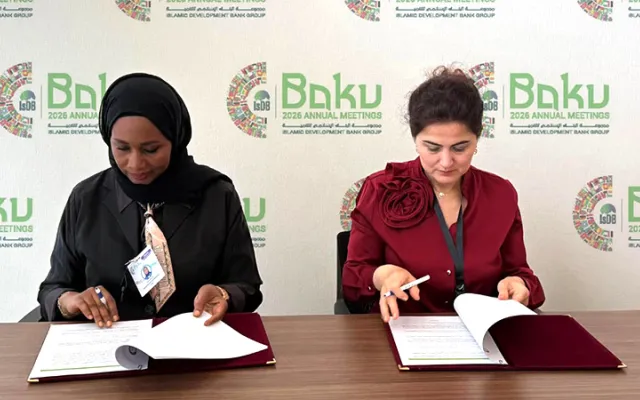
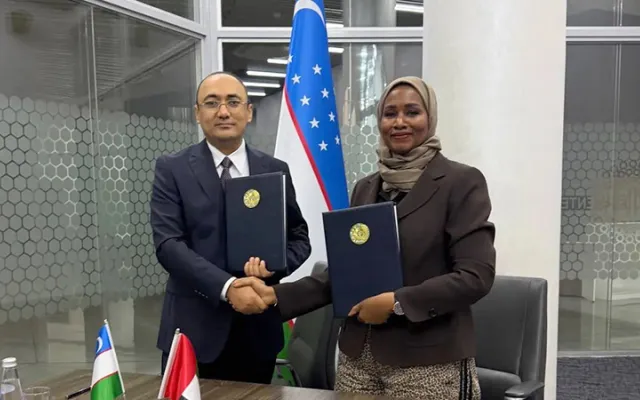
As part of her participation in the IsDB Group Annual Meetings in Baku, Azerbaijan, Dr. Tarifa Alzaabi, Director General of ICBA, signed a Memorandum of Understanding with Dr. Natavan Kalantarova, Acting Director General of the Genetic Resources Institute of the Ministry of Science and Education of the Republic of Azerbaijan.
Signed on the sidelines of a major platform for development dialogue and cooperation, the MoU establishes a framework for collaboration in agricultural research, capacity development, plant genetic resources, crop diversification, scientific exchange, and joint research initiatives.
ICBA Strengthens Scientific and Agricultural Partnerships in Central Asia
As part of efforts to sustain outcomes and expand the impact of the Abu Dhabi Fund for Development-supported Karakalpakstan project, ICBA strengthened its scientific and institutional partnerships in Uzbekistan.
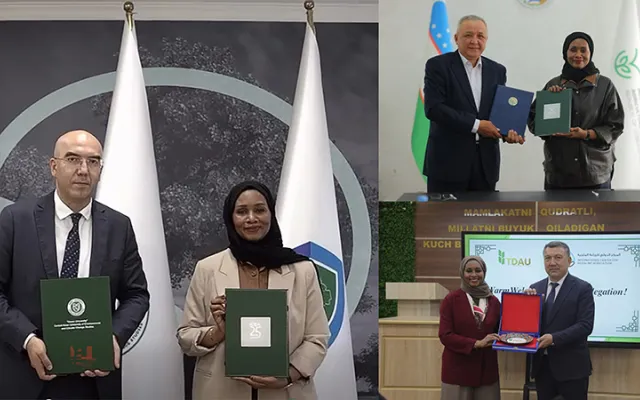
Dr. Tarifa Alzaabi, Director General of ICBA, signed a cooperation agreement with Professor Bakhtiyor Pulatov, Rector of the Central Asian University of Environmental and Climate Change Studies (Green University), to establish AquaBioLab in Tashkent. The laboratory will support specialized research in aquatic biology, Spirulina, and microalgae.
ICBA also signed an extension of cooperation with the International Innovation Center for the Aral Sea Basin, further supporting scientific collaboration and knowledge exchange in Central Asia. In addition, Dr. Alzaabi signed an extended collaboration agreement with the Karakalpakstan Agriculture Research Institute at the Ministry of Agriculture of the Republic of Uzbekistan.
The visit also included a meeting with Dr. Oblomuradov Narzullo Naimovich, Rector of Tashkent State Agrarian University, to explore collaboration in sustainable fodder research, soil amendments, and food processing. These engagements reinforce ICBA’s role in advancing applied research, capacity development, and sustainable agricultural solutions in arid and saline environments.
ICBA and Uzbekistan Launch Agribusiness Accelerator for Crop Value Chain Development and Commercialization in Karakalpakstan
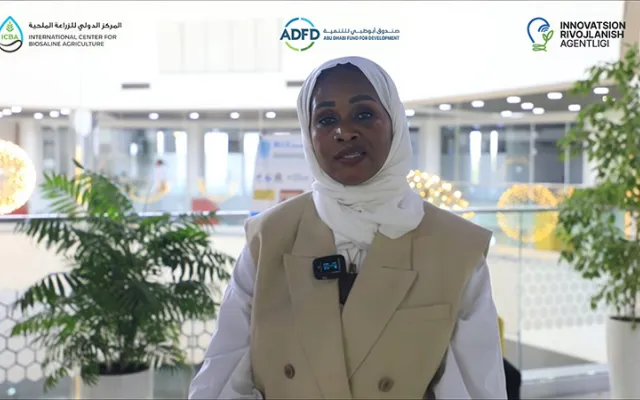
Dr. Tarifa Alzaabi, Director General of ICBA, signed a collaboration agreement with Dr. Asror Norov, Acting Director of the Agency for Innovative Development under the Ministry of Higher Education, Science and Innovation of the Republic of Uzbekistan, to support the launch of the Farmers’ and Agro-Entrepreneurs Accelerator for Crop Value Chain Development and Commercialization in Nukus, Karakalpakstan.
The Accelerator will be implemented as part of the scale-up phase of the Abu Dhabi Fund for Development-funded project “Development of Sustainable Agricultural Production Systems in Degraded Areas of Karakalpakstan.”
The program will support 200 farmers and agro-entrepreneurs, with a focus on women and youth, through technical training, post-harvest management, agro-processing, branding, business planning, and market access, helping participants strengthen crop value chains and improve commercial opportunities for climate-resilient crops.
ICBA and Uzbekistan’s Agency for Innovative Development Launch Farmers’ and Agro-Entrepreneurs Accelerator in Karakalpakstan
During her visit to Uzbekistan, Dr. Tarifa Alzaabi, Director General of ICBA, highlighted preparations for the launch of the Farmers’ and Agro-Entrepreneurs Accelerator for Crop Value Chain Development and Commercialization in Nukus, Karakalpakstan.
Developed by ICBA in cooperation with Uzbekistan’s Agency for Innovative Development and funded by the Abu Dhabi Fund for Development, the programme will support 200 farmers and agro-entrepreneurs. Participants will gain practical knowledge and skills in developing value-added agricultural products, strengthening business management and improving access to markets, helping them transform agricultural production into sustainable commercial opportunities.
WFP and ICBA partner to strengthen water governance and climate-smart agriculture for food security
15 July 2026
The United Nations World Food Programme (WFP) in partnership with the International Center for Biosaline Agriculture (ICBA) and with financial support from Global Affairs Canada (GAC), has launched the MURUNA (“resilience” in Arabic) project to strengthen Iraq’s climate resilience. Iraq continues to face serious challenges to food security, with an estimated 2.5 million people requiring humanitarian assistance.
Participation in the Final Workshop of the Joint Coordination Committee for the “BLUE” Project
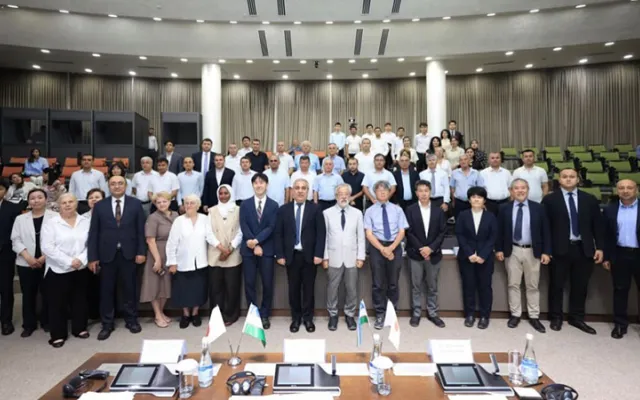
Dr. Tarifa Alzaabi, Director General of ICBA, participated in the fifth and final workshop of the Joint Coordinating Committee for the BLUE Project under the Science and Technology Research Partnership for Sustainable Development (SATREPS). The workshop was held in Tashkent, Uzbekistan, on 23 July 2026.
Organized by the Agency for Innovative Development under Uzbekistan’s Ministry of Higher Education, Science and Innovation, in cooperation with the Japan International Cooperation Agency and the Japan Science and Technology Agency, the workshop brought together representatives of more than 20 government, research and international organizations. Participants reviewed the project’s progress and discussed future priorities for water-resource monitoring, salinity management and climate-resilient agriculture in the Aral Sea region.
ICBA Showcases Date Palm Research at the 8th International Date Palm Conference
ICBA participated in the 8th International Date Palm Conference in Abu Dhabi, held alongside the recognition ceremony for the 2026 Khalifa International Award for Date Palm and Agricultural Innovation recipients.
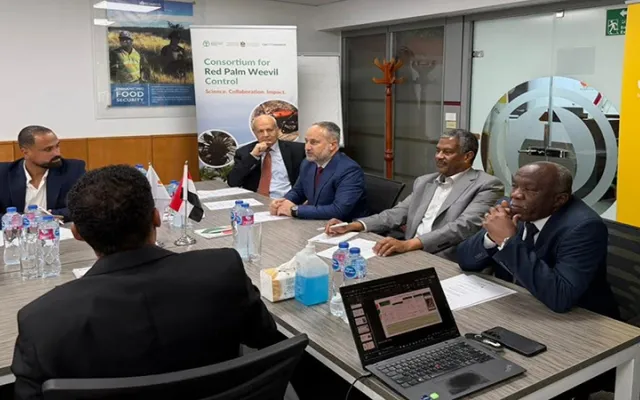
Representing ICBA, Dr. Mohamed Ali Bob, Date Palm Management Specialist, joined the High-Level Ministerial Meeting on Red Palm Weevil, where he highlighted ICBA’s work in date palm research, Good Agricultural Practices, and Red Palm Weevil management. He also presented ICBA’s role in addressing key challenges affecting date palm production, including pest management and the Centre’s contribution to the Consortium for Red Palm Weevil Control.
Dr. Ali Bob also shared ICBA-led progress on Good Agricultural Practices for Red Palm Weevil management, chaired expert sessions on the pest, and contributed to the study “Global Mapping of the Spread and Threat Posed by the Red Palm Weevil”.
ICBA Supports Regional Efforts to Combat Red Palm Weevil
Protecting date palms from red palm weevil requires practical solutions, strong scientific collaboration and coordinated regional action. Through the International Consortium for Red Palm Weevil Control, ICBA contributes its expertise in good agricultural practices to strengthen pest management and support more resilient date-palm production.
Recent activities in Egypt, conducted in cooperation with the Agricultural Research Center, the Desert Research Center and the International Center for Agricultural Research in the Dry Areas (ICARDA), included field surveys, site validation and engagement with farmers. These activities are helping connect scientific research with field experience and local knowledge to support more effective pest-management practices across the region.
ICBA Reviews Progress on Good Agricultural Practices for Red Palm Weevil Control
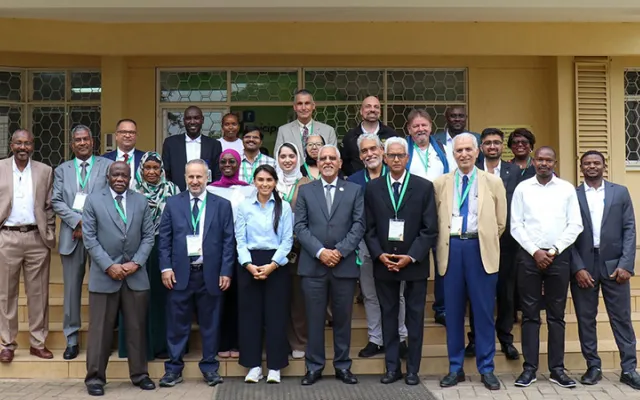
ICBA participated in the Technical Steering Committee meeting of the International Consortium for Red Palm Weevil Control, held in Nairobi, Kenya, from 22 to 24 July 2026.
The Committee reviewed progress made during the Consortium’s first year and identified priority actions to strengthen scientific rigour, integration across workstreams, implementation and regional collaboration. During the meeting, Dr. Mohamed Ali Bob, Date Palm Management Specialist at ICBA, presented progress under the Good Agricultural Practices workstream led by the Centre. His presentation outlined the workstream’s principal achievements, research methodology and priorities for the next phase.
The launch of the Water Scarcity Initiative (WSI) program in Algeria
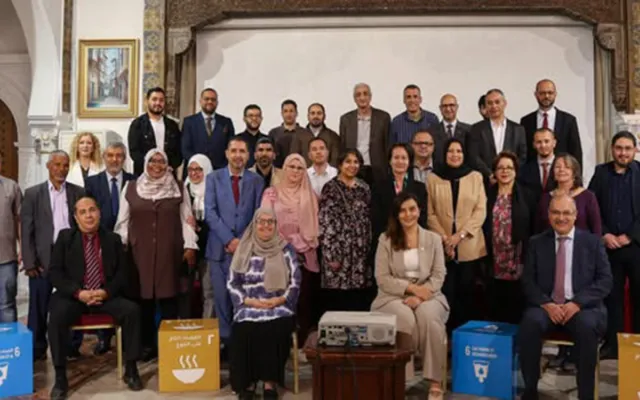
ICBA, represented by Dr. Khalil Ammar, Program Leader – Sustainable Natural Resources Management, and Dr. Houda Chelaifa, Halophyte Agronomist, participated in the launch of the Water Scarcity Initiative program in Algeria.
Launched by the Food and Agriculture Organization of the United Nations, the initiative is a regional platform addressing extreme water stress across the Near East and North Africa. During the workshop, Dr. Ammar delivered a presentation highlighting ICBA’s role and activities in Algeria, with a focus on addressing drought, water and soil salinity, and supporting the identification of the project’s pilot area.
Graduating the Fourth Cohort of AWLA’s Fellowship, Bringing Its Alumnae Network to 79 Arab Women Leaders
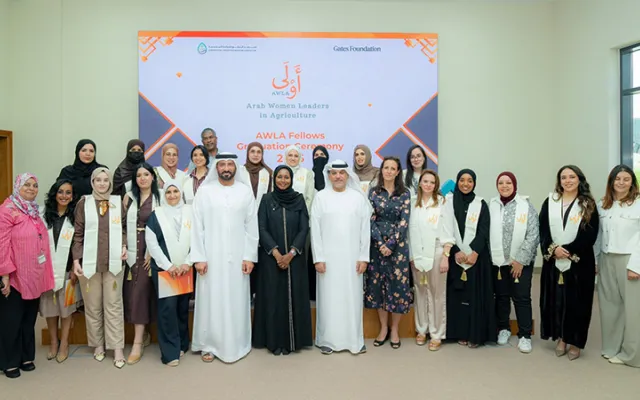
ICBA marked the graduation of the fourth cohort of the Arab Women Leaders in Agriculture (AWLA) fellowship program, as part of an event that brought together the forum “Women Shaping Sustainable Agriculture in the Arab World” and the AWLA 4 graduation ceremony, in conjunction with the International Year of Women Farmers 2026.
The event was attended by H.E. Mohammed Saeed Sultan Al Nuaimi, Undersecretary of the Ministry of Climate Change and Environment, and Sultan Al Shamsi, Director of the National Agriculture Centre, alongside representatives of FAO, the Gates Foundation, partners, researchers, and AWLA fellows and graduates.
The fourth cohort included 21 fellows from across the Arab region, bringing AWLA’s growing network to 79 graduates since its launch. The event also saw the announcement of the AWLA Annual Award, which will recognize outstanding achievements by women in agriculture, research, and innovation.
ICBA Concludes Specialized Training to Advance Integrated Agricultural and Aquaculture Systems in Karakalpakstan
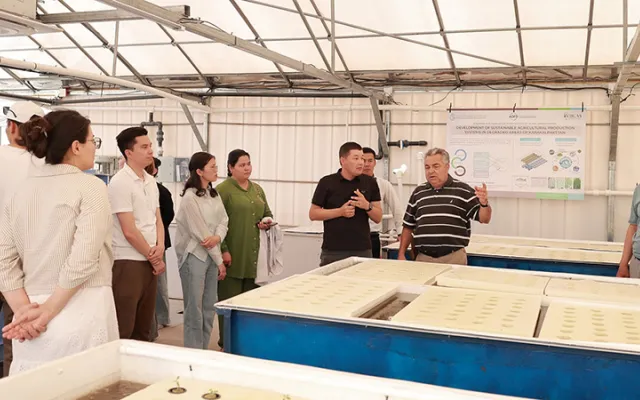
ICBA successfully concluded the IAAS and Spirulina training in Nukus, Uzbekistan, under the Abu Dhabi Fund for Development-funded project “Development of Sustainable Agricultural Production Systems in Degraded Areas of Karakalpakstan”.
The training brought together 24 participants from the International Innovation Center for the Aral Sea Basin, the Karakalpakstan Agricultural Research Institute, and the Agriculture University in Nukus. The program strengthened participants’ technical knowledge and practical capacity in integrated agri-aquaculture systems and Spirulina production, supporting more sustainable agricultural solutions in Karakalpakstan.
Training Programs Strengthen Cooperative Business Development in Togo and Liberia
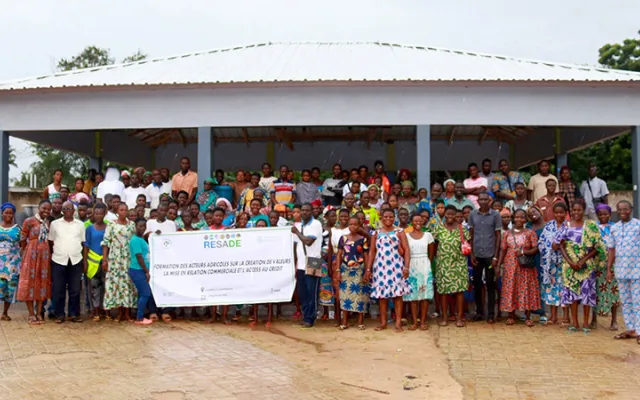
Under the “Improving Agricultural Resilience to Salinity through Development and Promotion of Pro-poor Technologies” (RESADE) project, ICBA completed cooperative business training and linkage forums in Togo and Liberia under the theme “Strengthening Cooperative Business Performance: From Production to Market”.
The activities brought together 489 smallholder farmers, with women accounting for 72% of participants across both countries. In addition to strengthening participants’ business and organizational capacities, the forums connected farmers’ cooperatives with financial service providers, agricultural input and equipment suppliers, extension services and institutional partners, helping improve their access to essential services and market opportunities.
ICBA Celebrates World Youth Skills Day with Webinar on" Skills for a Shared Future"
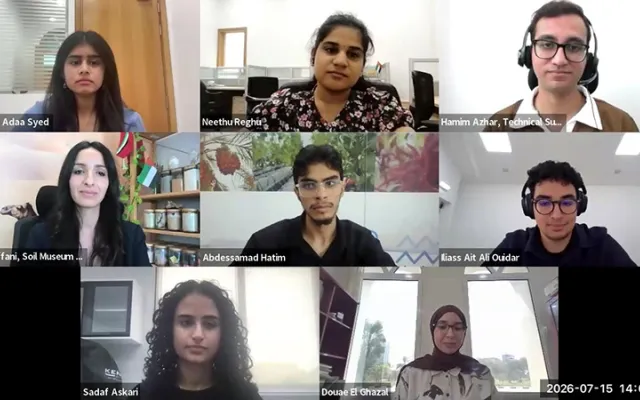
To mark World Youth Skills Day, ICBA organized a webinar titled “Skills for a Shared Future”, bringing together 21 young participants and interns for a focused discussion on the capabilities needed to advance sustainable agriculture and shape the future of food systems.
The webinar provided a platform for young people to share their perspectives and consider how knowledge and learning can be translated into practical action. It also highlighted the importance of equipping younger generations with relevant skills to contribute meaningfully to more sustainable agricultural and food systems.
Workshop in Basra Strengthens Women’s Leadership in Water Governance
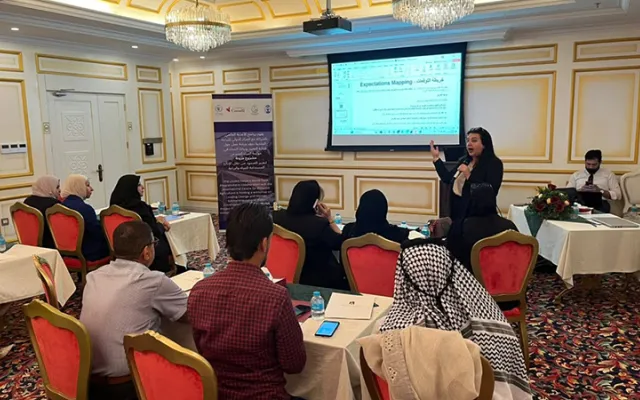
Under the MURUNA project, ICBA and the World Food Programme organized a capacity development workshop in Basra from 20 to 22 July, with support from Global Affairs Canada and in collaboration with Iraq’s Ministries of Water Resources and Agriculture.
The workshop brought together 30 participants, including 19 women, representing government institutions, Water Users Associations, civil society organizations and local communities. The sessions addressed women’s leadership, inclusive participation and decision-making in water governance, with a focus on supporting climate-resilient agriculture. The activity also contributed to the objectives of the International Year of the Woman Farmer 2026 by highlighting women’s role in managing natural resources and strengthening rural livelihoods.