ICBA and FAO E-learning Academy Highlight Measurable Results of Ongoing Collaboration
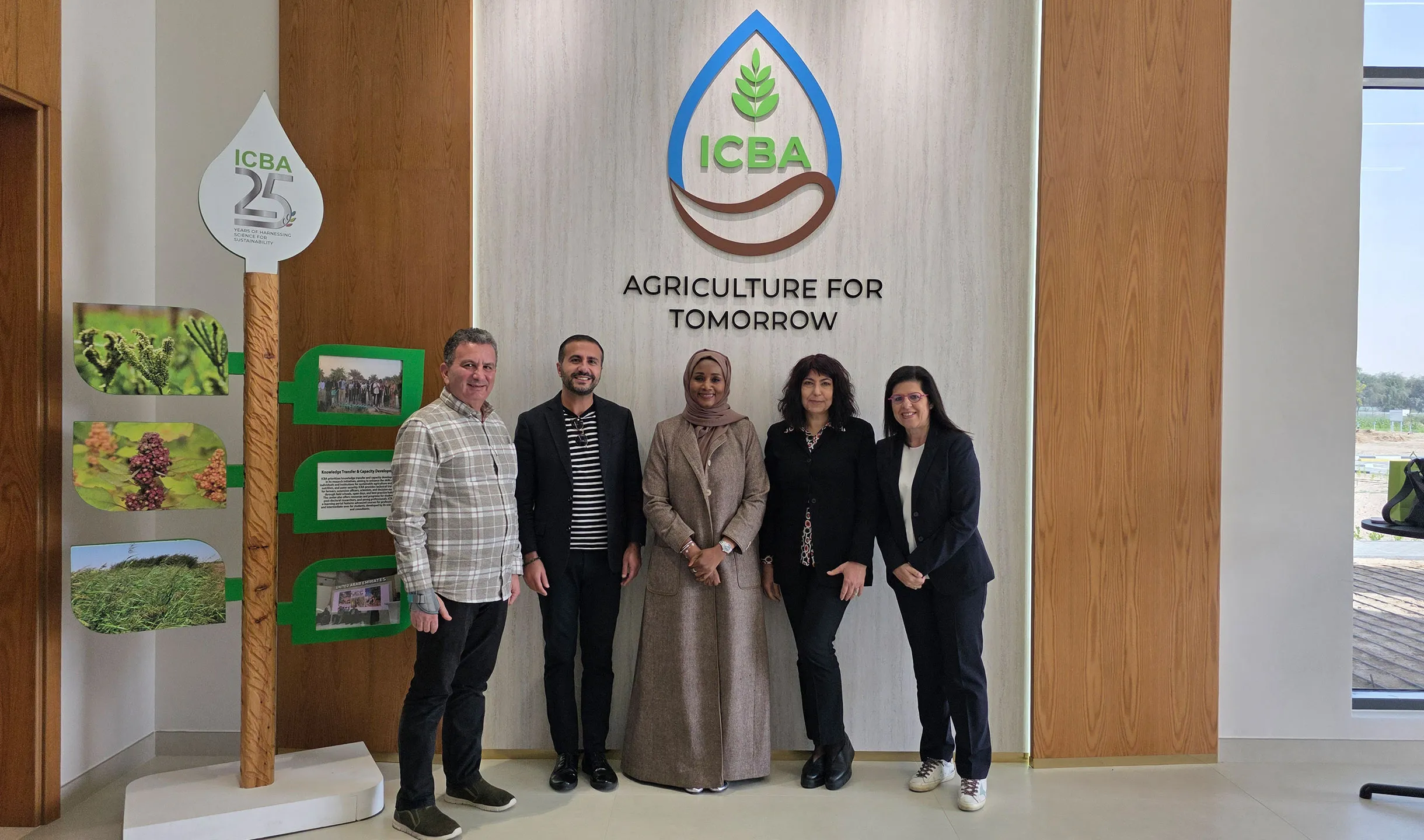
As part of the collaboration, two FAO E-learning Academy courses were made available in Arabic to enhance accessibility for professionals across Arabic-speaking countries . In addition, 49 FAO courses, including 43 in English and 6 in Arabic, were integrated into ICBA’s digital learning platform to benefit professionals in the region.
The International Center for Biosaline Agriculture (ICBA) and FAO elearning Academy have highlighted measurable results from their ongoing collaboration to expand certified, multilingual digital learning in agriculture, food systems and natural resource management.
The collaboration between ICBA and the FAO E-learning Academy began in August 2020, with the aim of expanding access to certified, multilingual digital learning. In 2022, ICBA launched its E-learning platform, which has since engaged approximately 1,200 learners from 70 countries across 12 specialized topics, including four offered in Arabic. All ICBA courses are UK Continuing Professional Development certified, ensuring structured, competency-based learning aligned with internationally recognized standards.
As part of the collaboration, two FAO E-learning Academy courses were made available in Arabic to enhance accessibility for professionals across Arabic-speaking countries . In addition, 49 FAO courses, including 43 in English and 6 in Arabic, were integrated into ICBA’s digital learning platform to benefit professionals in the region.
The FAO elearning Academy has reached almost 2 million professionals worldwide and offers more than 1,000 multilingual courses free of charge, as a global public good. Its portfolio supports food and nutrition security, sustainable natural resource management and the achievement of the 2030 Agenda for Sustainable Development.
Dr. Tarifa A. Al Zaabi, Director General of ICBA, said: “E-learning is a strategic enabler of sustainable agricultural transformation. Through our collaboration with the FAO E-learning Academy, we supported the development of courses in the Arabic language, recognizing the importance of delivering knowledge in diverse languages to effectively serve stakeholders across the MENA region. In today’s digitally connected world, particularly among younger, technology-savvy generations, learning platforms must be accessible, inclusive and digitally enabled. By integrating multilingual FAO courses into ICBA’s digital platform and embedding them within programmes such as AWLA, we are strengthening institutional capacity and expanding equitable learning opportunities for women and men, professionals and farmers of all ages, across arid and climate-vulnerable regions.”
Cristina Petracchi, Head of the FAO E-learning Academy, added: “The FAO elearning Academy is committed to delivering high-quality, certified and multilingual learning opportunities, as a global public good. Our collaboration with ICBA enhances regional outreach and strengthens the transfer of critical competencies needed to advance food security, sustainable natural resource management and the Sustainable Development Goals. Strategic partnerships, such as this are fundamental to strengthen long-term institutional capacity and ensuring that the transfer of knowledge and competencies translates into measurable impact on the ground.”
The collaboration also includes ICBA’s contribution to the Arabic version of the FAO E-learning Academy’s guide on E-learning Methodologies and Good Practices, supporting the adoption of advanced digital learning approaches and standards, across the Arab region.
Together, ICBA and the FAO E-learning Academy continue to advance inclusive, certified and competency-based learning solutions that empower professionals, strengthen institutions and support resilient agricultural systems worldwide.