ICBA Summer Camp for Youth Inspires the Next Generation of Agricultural Innovators
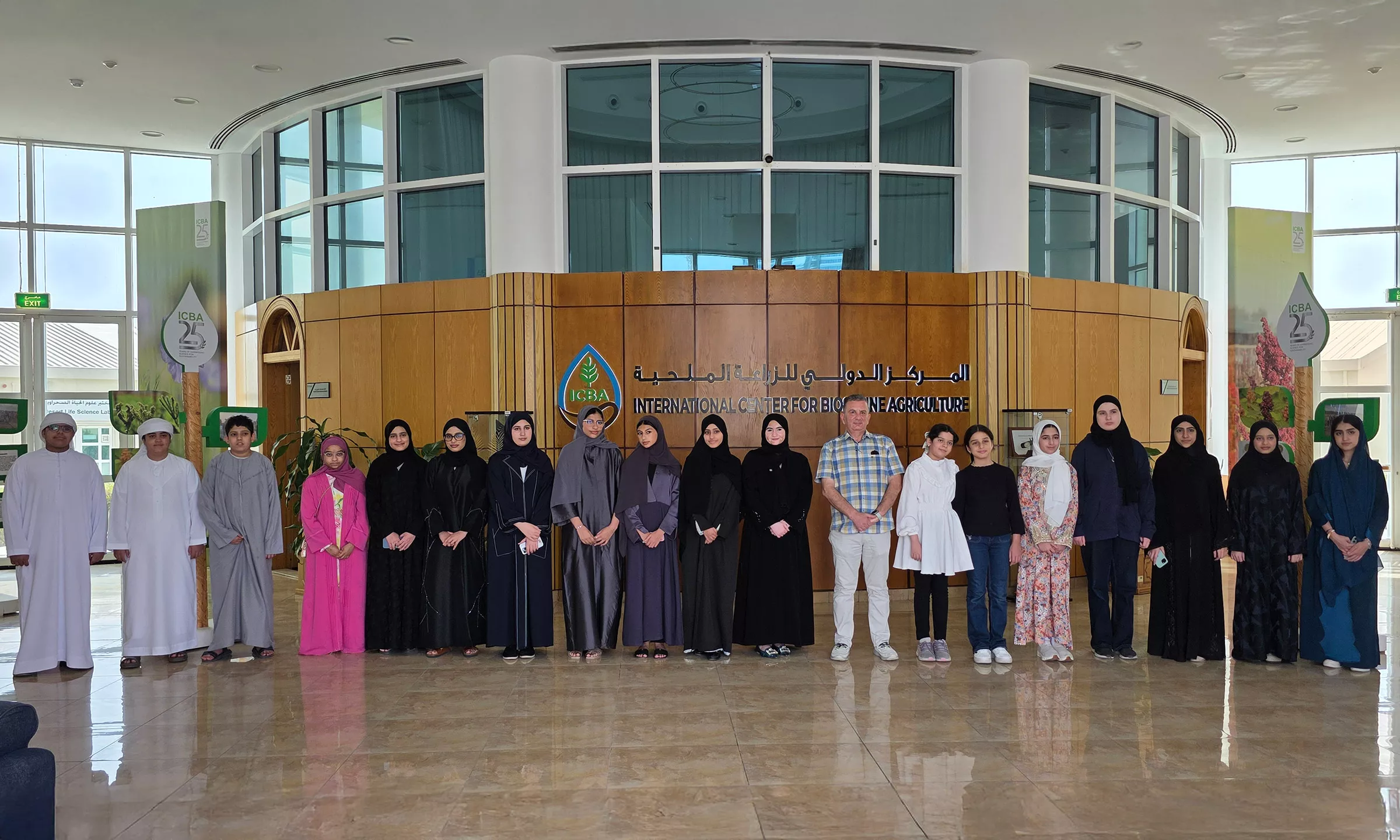
Organised in collaboration with the Ministry of Climate Change and Environment under the Mustadeem Program for Youth, the camp brought together students from government schools to explore the science, innovation, and real-world applications that define ICBA’s work.
From 4 to 7 August 2025, the International Center for Biosaline Agriculture (ICBA) hosted the ICBA Summer Camp for Youth at its headquarters in Dubai, UAE. Organised in collaboration with the Ministry of Climate Change and Environment under the Mustadeem Program for Youth, the camp brought together students from government schools to explore the science, innovation, and real-world applications that define ICBA’s work. Over four days, participants engaged directly with scientists, explored research facilities, and took part in activities that linked cutting-edge agricultural research to global challenges of food security, climate change, and resource conservation.
The camp was built around a clear objective: to give young people an authentic experience of agricultural science while sparking curiosity about its role in shaping sustainable futures. Students were not passive observers. They interacted with experts, asked questions, conducted experiments, and translated their learning into creative outputs such as posters and opinion pieces. Each day had a distinct theme, ensuring that by the end of the programme, participants had encountered the breadth and depth of ICBA’s work.
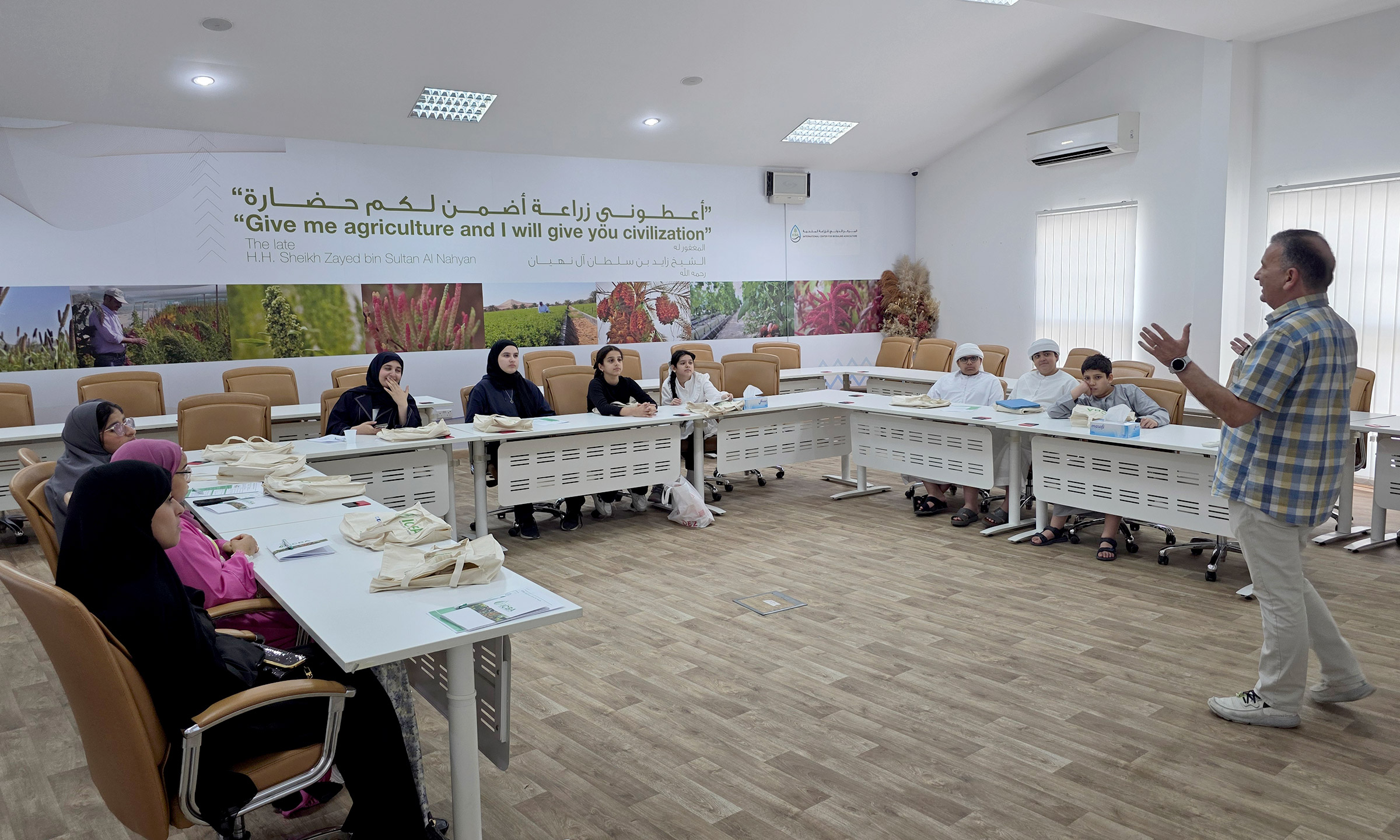
The opening day, 4 August, introduced students to ICBA’s mission and history. Led by Mr Ghazi Al Jabri, Capacity Development Specialist, the morning began with a registration session where students received their programme materials, followed by an orientation on ICBA’s role as a global leader in research for arid and saline environments. A group photograph marked the start of the week, capturing the diversity and enthusiasm of the young participants. The day continued with a session on capacity development opportunities, highlighting the ways ICBA supports communities and professionals to adopt resource-efficient, climate-smart agriculture.
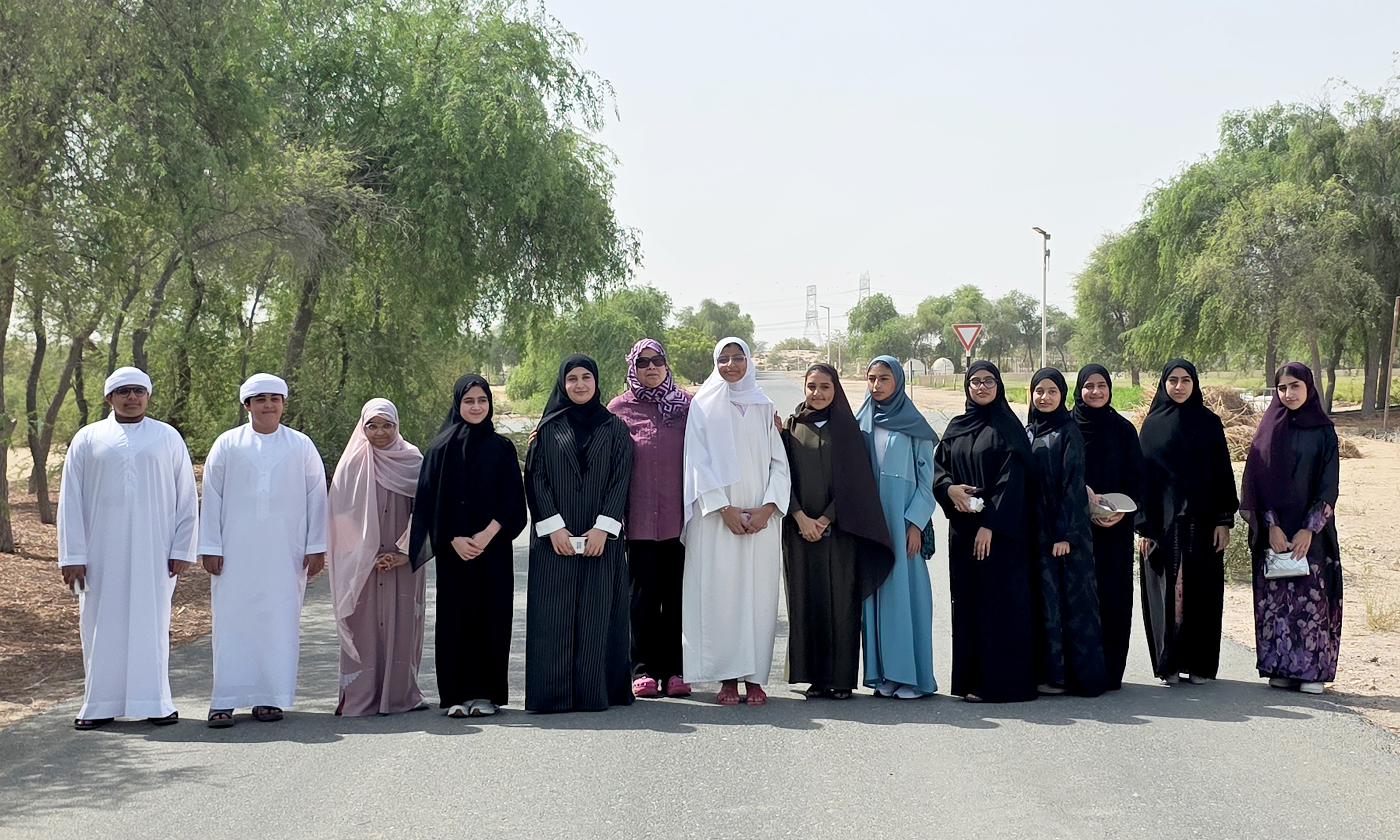
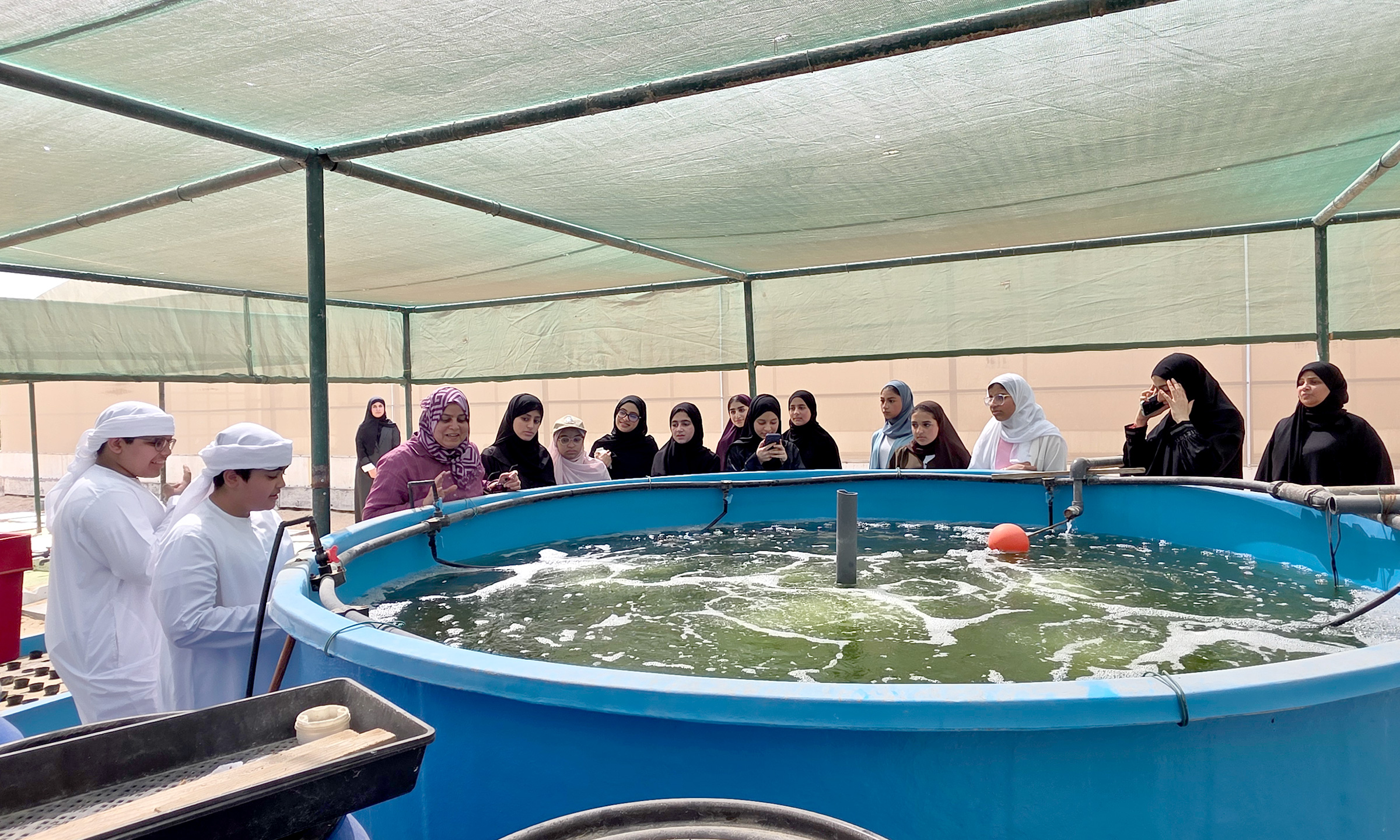
On the second day, 5 August, students immersed themselves in the theme “From Field to Fork – ICBA’s work to achieve food security,” facilitated by Dr Henda Mahmoudi, Plant Physiologist. The day began with guided visits to ICBA’s experimental facilities, including date palm trials, greenhouses, and halophyte plots. Here, participants saw how crops can be grown in saline conditions, observed sustainable farming practices, and learned about the science behind climate-resilient plants. After a short break, they joined an interactive talk covering topics such as climate-smart crops, crop management best practices, the value of protected agriculture, and the importance of preserving agricultural heritage.
The afternoon offered a hands-on workshop titled “From Farm to Fork: How to Develop a Value Chain.” Students worked in teams to create business model canvases for potential agri-business ideas, supported by scientists who encouraged them to think about innovation not only as a scientific pursuit but as a driver of economic opportunity. The day concluded with a “mini halophytic kitchen lab,” connecting agricultural research to nutrition and culinary applications.
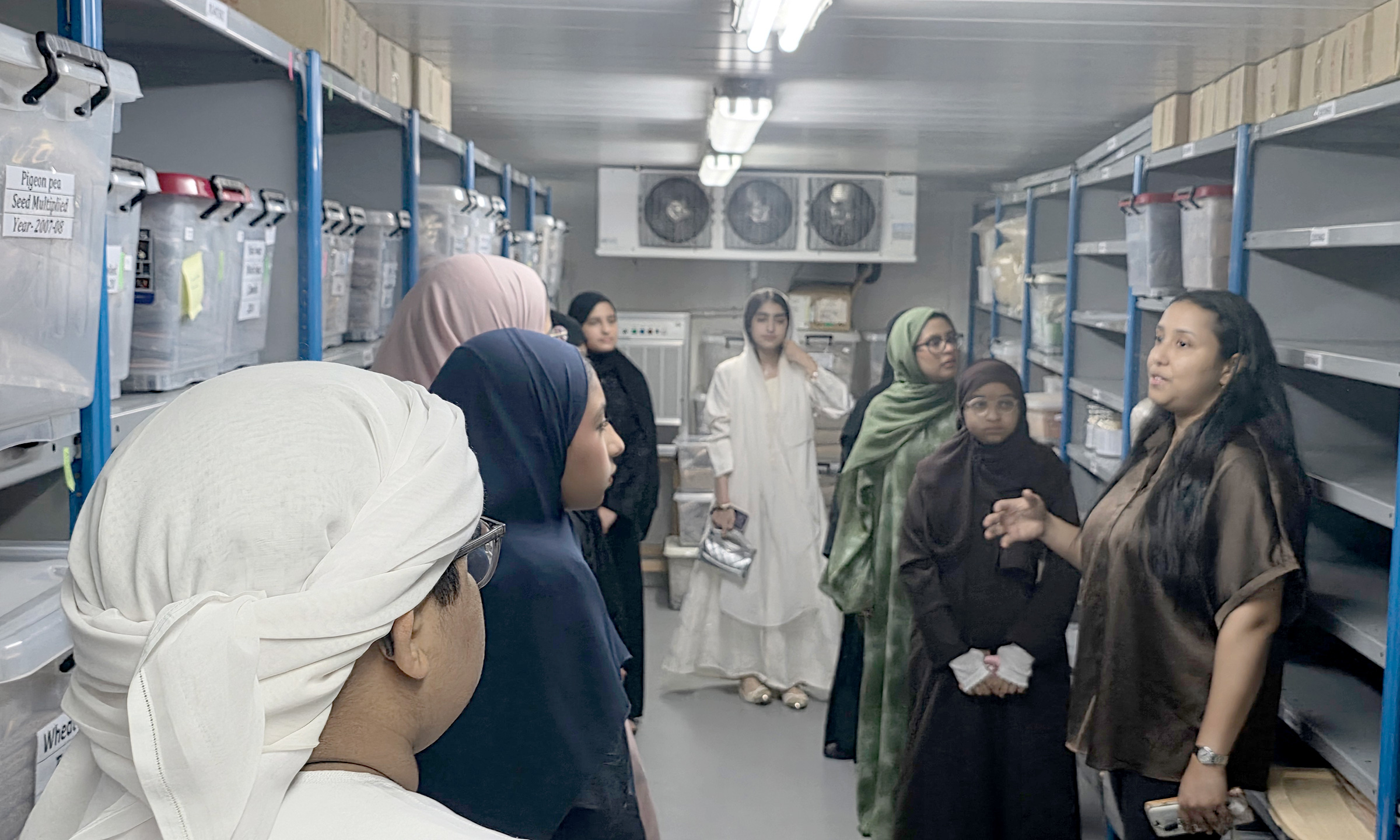
Safeguarding biodiversity through the UAE Genebank
On 6 August, the camp’s focus shifted to “Research and Training Facilities at ICBA: The UAE Genebank”, led by Dr Sumitha Thushar, Postdoctoral Fellow in Plant Genetics. The morning began with a tour of the genebank, where students learned about the conservation of plant genetic resources and their role in sustaining food production under climate stress. An interactive seed identification activity followed, fostering observation skills and introducing the diversity of plant species suited to challenging environments.
Students then participated in germination and salt stress testing, using pre-prepared trays they could take home to observe over several days. This activity linked laboratory research to personal engagement, as each student became the caretaker of a living experiment. The take-home task of Ghaf seed extraction and planting reinforced the importance of native species in ecological stability. The day closed with a recap quiz that challenged students to apply their knowledge and articulate why genetic conservation matters for global food security.
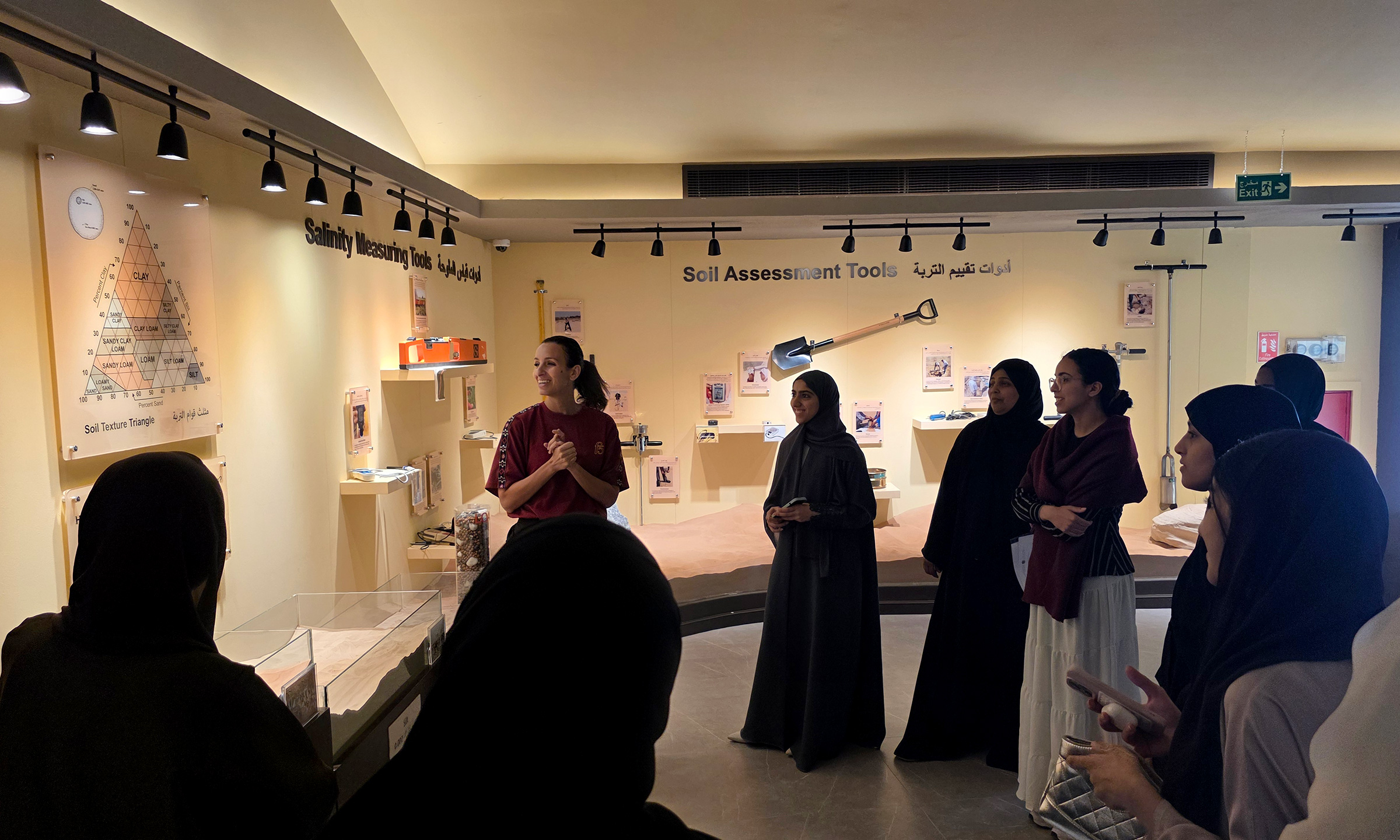
The final day, 7 August, was hosted at the Emirates Soil Museum and facilitated by Mrs Ryma Affani, Museum Curator. Students began with a guided tour of the museum’s collections, exploring the composition, classification, and ecological functions of soil. The Arduna Living Soils Workshop gave them insight into how soil biodiversity contributes to healthy ecosystems. In an interactive segment, students discussed the themes and ideas that resonated most with them during the camp, demonstrating how the programme had shaped their understanding.
The mini soil lab session introduced practical testing methods for texture, salinity, and pH levels, alongside a “meet the expert” opportunity with soil scientists. The day concluded with a take-home activity – assembling a “UAE Soil in a Bottle” – followed by an evaluation session and the distribution of certificates. The group photo taken at the end symbolised not only completion but the start of a continuing connection to agricultural science.
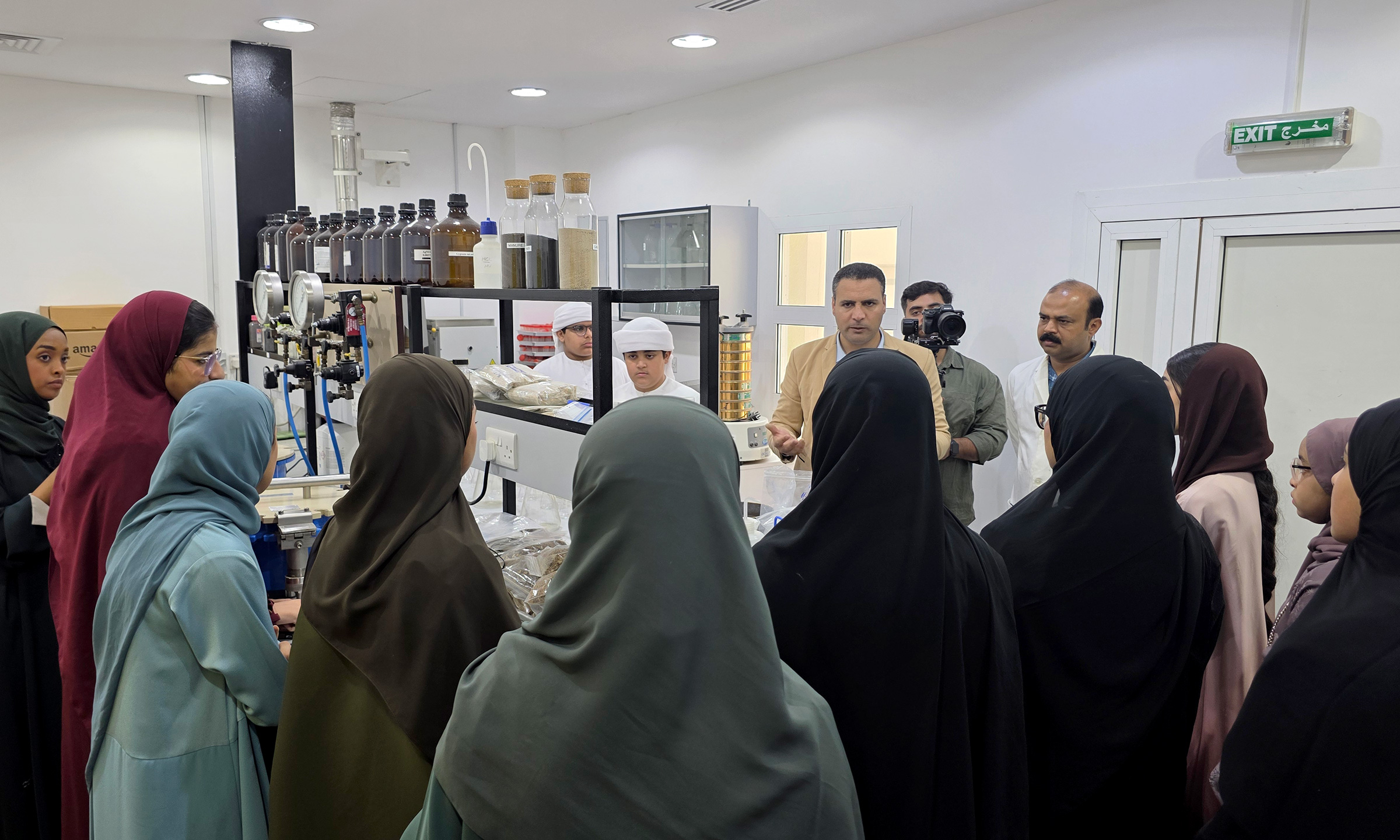
Throughout the camp, students were encouraged to think critically and express themselves through an opinion writing competition. They were invited to choose between two questions: “Why should young people care about agriculture and conservation of resources?” or “What are some challenges youth face when trying to get involved in agriculture?” This exercise provided a platform for them to develop and share their perspectives, highlighting the value of youth voices in shaping the future of agriculture. The submissions revealed an awareness of the urgency of resource conservation, a readiness to engage with solutions, and a willingness to confront barriers to youth participation.
The camp coincided with International Youth Day, a timely reminder of the role young people play in achieving sustainable development. ICBA’s youth-focused initiatives, such as the Mustadeem Program for Youth, reflect the center’s commitment to fostering a new generation of leaders who can address the interconnected challenges of climate change, food security, and resource scarcity. By equipping students with knowledge, skills, and practical experience, ICBA ensures that its mission extends beyond research into meaningful empowerment for the communities it serves.
The International Center for Biosaline Agriculture (ICBA) is a unique applied agricultural research center with a focus on arid and saline environments where an estimated 1.7 billion people live. It identifies, tests and introduces resource-efficient, climate-smart crops and technologies that are best suited to different regions affected by salinity, water scarcity and drought. Through its work, ICBA helps to improve food security and livelihoods for some of the poorest rural communities around the world.