ICBA Marks International Day of Rural Women, Reaffirms Commitment to Gender‑Responsive Climate Action
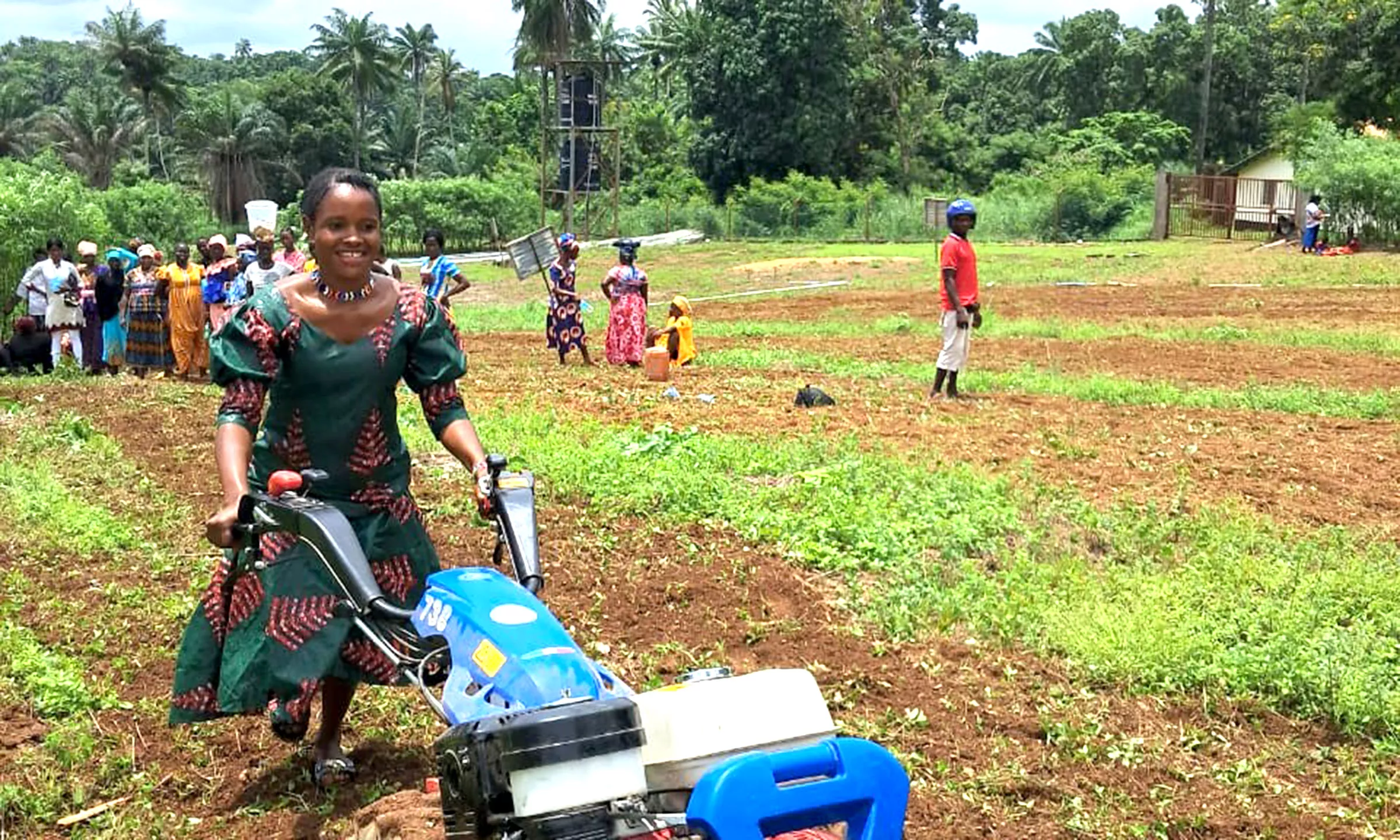
Across the globe’s most vulnerable agricultural landscapes, rural women play a pivotal role in food production and land stewardship yet remain disproportionately affected by climate change and unequal access to various resources.
On the International Day of Rural Women celebrated on 15th October, the International Center for Biosaline Agriculture (ICBA) reaffirmed its commitment to inclusive agricultural innovations that position rural women as key drivers of climate resilience, food and nutritional security, and sustainable development. Across the globe’s most vulnerable agricultural landscapes, rural women play a pivotal role in food production and land stewardship yet remain disproportionately affected by climate change and unequal access to various resources.
“Empowering rural women goes beyond social justice-it is essential to achieving climate resilience, food and nutritional security, and sustainable land and water management,” said Dr. Tarifa Alzaabi, Director General of ICBA. “Through science-based solutions, inclusive research programs, and strategic partnerships, we are ensuring that women are central to the transformation of agri- food systems in saline and arid environments.”
Globally, women’s livelihoods remain highly vulnerable to climate stress. Female-headed households experience annual income losses of up to eight percent due to heat stress and three percent due to floods. A one‑degree Celsius rise in temperature is linked to a 34 percent decline in their total income compared with male-headed households. Yet, if women had equal access to productive resources, farm yields could increase by 20–30 percent-feeding up to 150 million more people worldwide. The gender gap in land productivity between female and male-managed farms of the same size is 24 percent.
As a center of excellence for biosaline and climate-resilient agriculture, ICBA places gender inclusion at the heart of its 2024–2034 strategic framework. From crop diversification, soil health and water management to policy engagement, ICBA integrates women’s participation at every level of intervention design and implementation.
One of its flagship initiatives, the Arab Women Leaders in Agriculture (AWLA) program, strengthens research leadership and technical expertise among women scientists in the Middle East and North Africa. AWLA fellows have advanced projects in salinity management, crop resilience, and efficient water use-while mentoring future generations of women researchers and extension agents.
ICBA also leads the regional collaboration for improving agricultural resilience to salinity through the development and promotion of pro-poor technologies and management strategies (RESADE) project, in partnership with IFAD and BADEA, in six Sub-Saharan African countries. The project established Best Practice knowledge Hubs, which served as both demonstration platforms and knowledge centers. About 7236 women farmers were trained through 114 Farmer Field School sessions. Beyond productivity gains, the project fostered agro-processing, value addition, and innovation in local food systems by actively engaging women.
Across the Middle East, North Africa, and Central Asia, ICBA integrates gender‑responsive practices into its research and field programs. In Uzbekistan, the development of sustainable agricultural production systems in the degraded areas of Karakalpakstan promotes integrated crop-soil-water and aquaculture innovations’ and capacity building by actively engaging and empowering women farmers and value chain actors.
To scale the impact of these efforts, ICBA is spearheading the Women’s Alliance for Climate Action in Agriculture (WACAA) - a regional platform that aims to reach one million women across the Global South by 2030. WACAA connects rural women, scientists, and policymakers to co‑develop inclusive solutions that address climate, food, and land challenges, amplifying women’s leadership in shaping sustainable futures.
These initiatives reflect ICBA’s long-term vision to make agriculture in arid and saline environments more equitable, productive, and resilient. As Dr. Alzaabi emphasized, “By investing in women, we invest in the resilience of entire communities.”