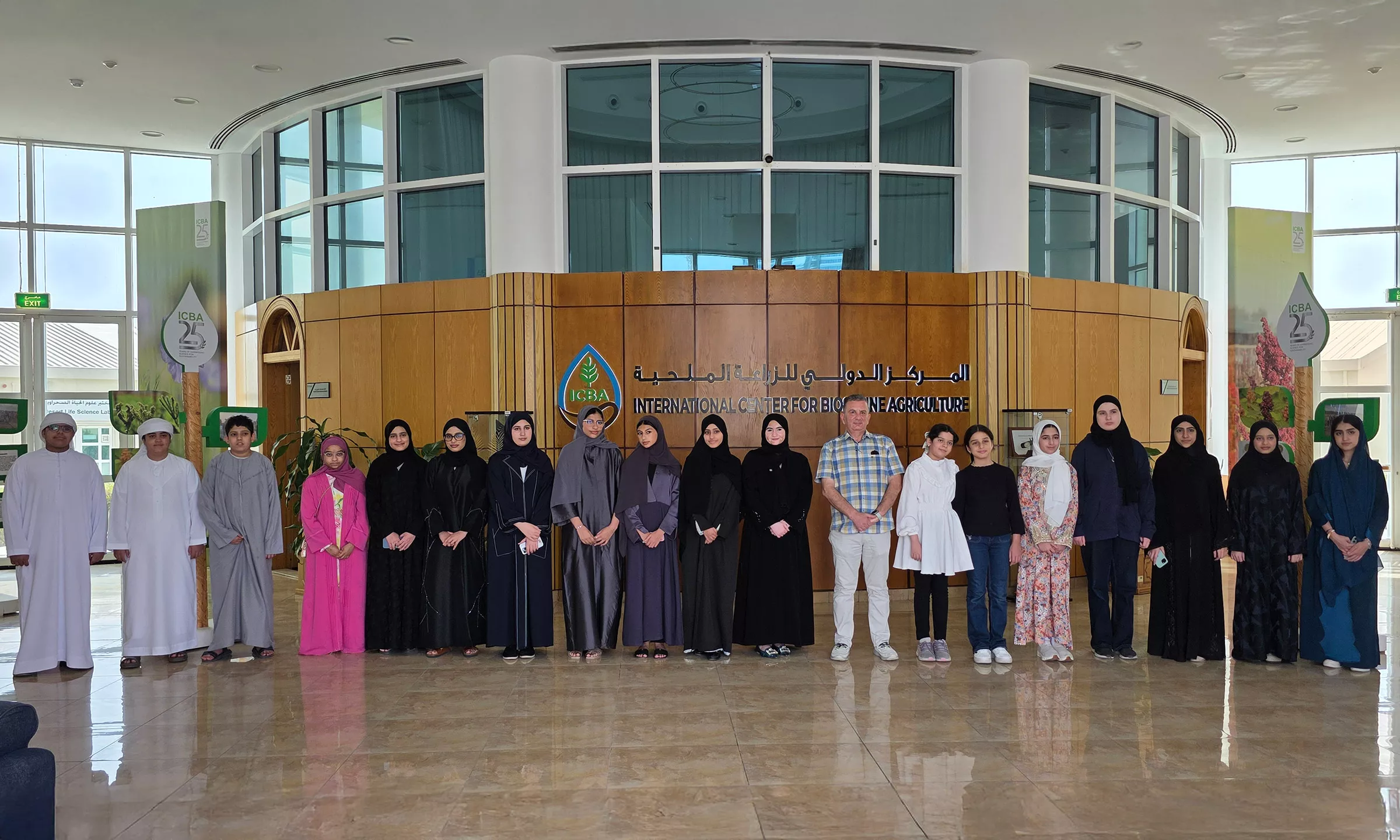
Organised in collaboration with the Ministry of Climate Change and Environment under the Mustadeem Program for Youth, the camp brought together students from government schools to explore the science, innovation, and real-world applications that define ICBA’s work.
ICBA Summer Camp for Youth Inspires the Next Generation of Agricultural Innovators
8 August 2025
From 4 to 7 August 2025, the International Center for Biosaline Agriculture (ICBA) hosted the ICBA Summer Camp for Youth at its headquarters in Dubai, UAE. Organised in collaboration with the Ministry of Climate Change and Environment under the Mustadeem Program for Youth, the camp brought together students from government schools to explore the science, innovation, and real-world applications that define ICBA’s work.
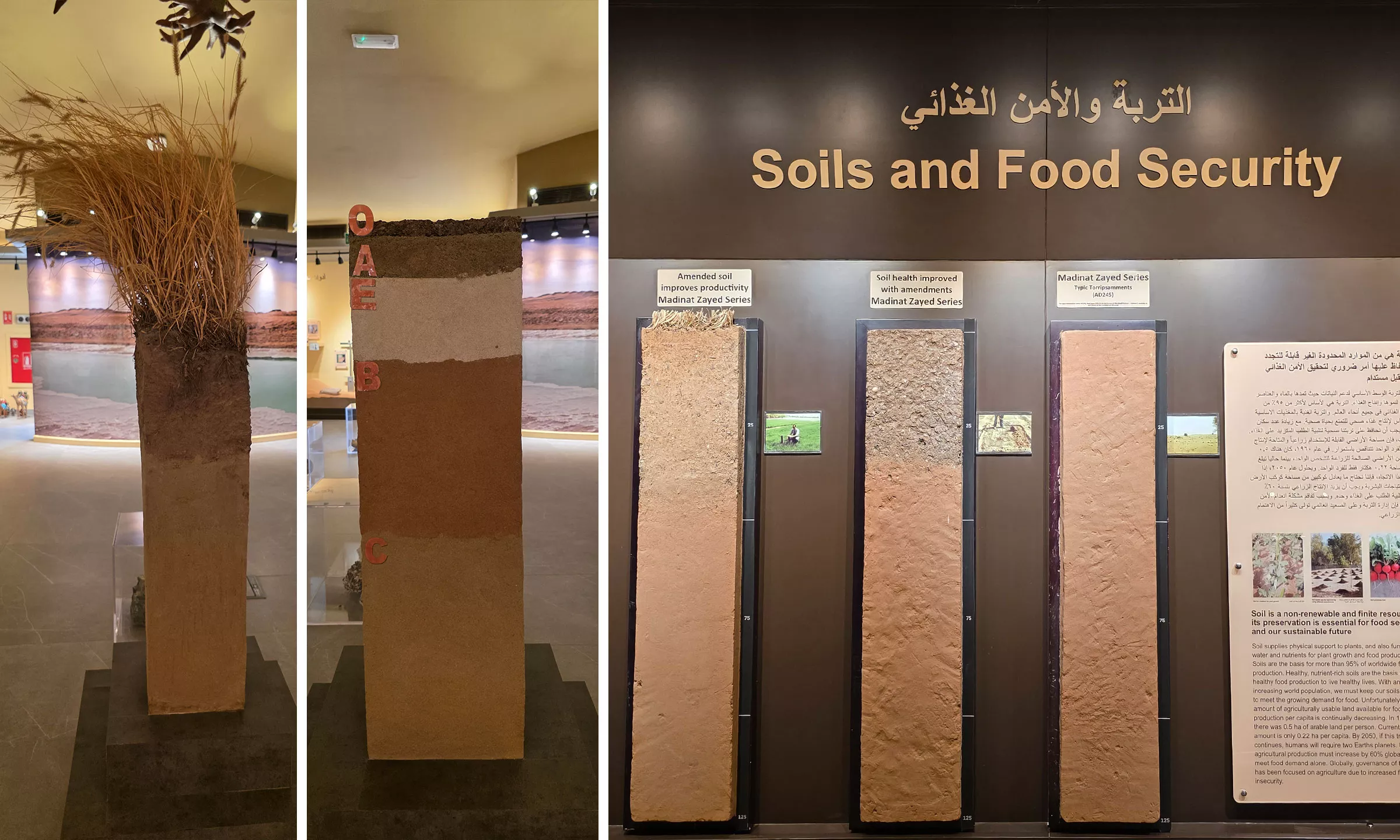
On 21 May 2025, the International Center for Biosaline Agriculture (ICBA) and the Abu Dhabi Fund for Development (ADFD) signed a strategic agreement to co-develop the first regional blueprint manual for soil museums in the Middle East and North Africa.
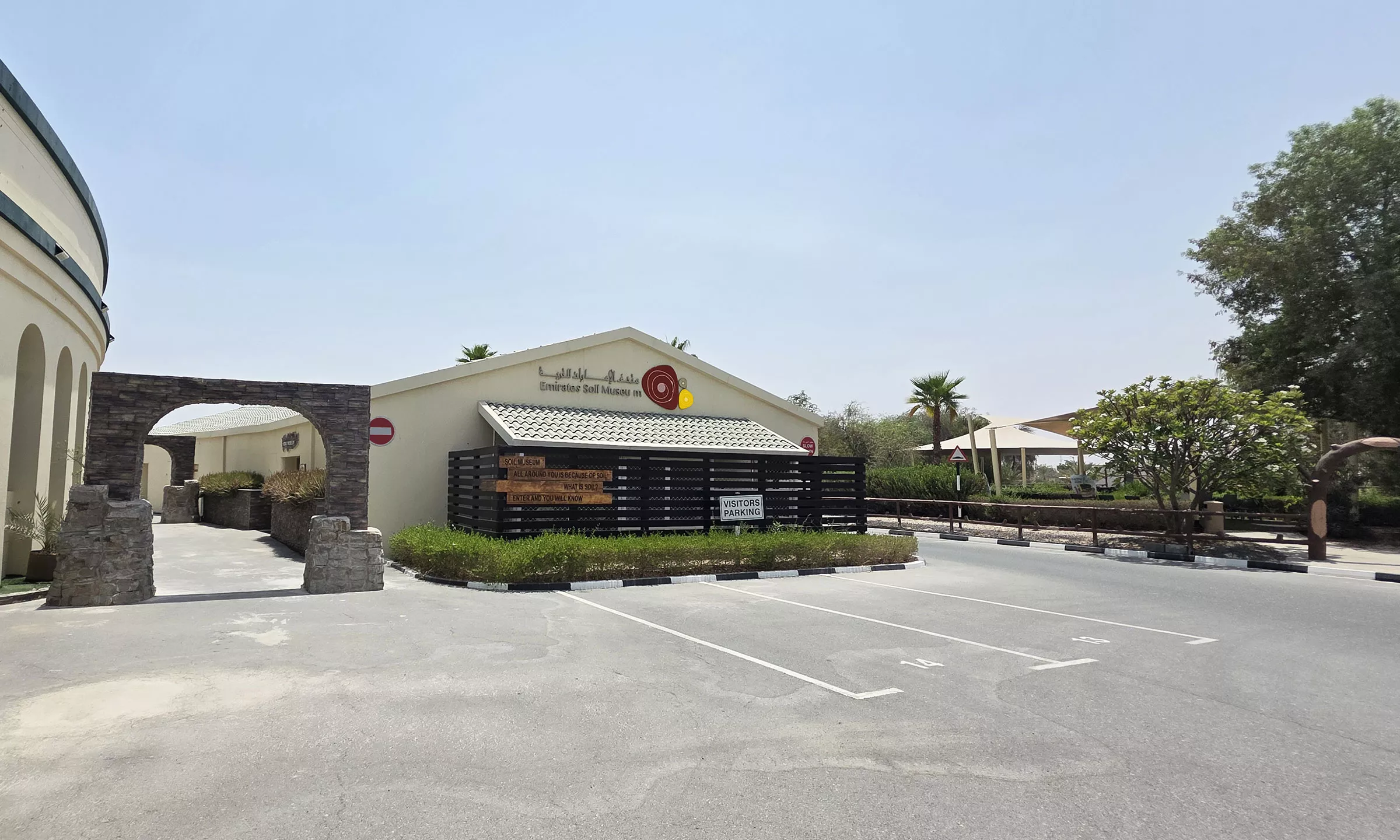
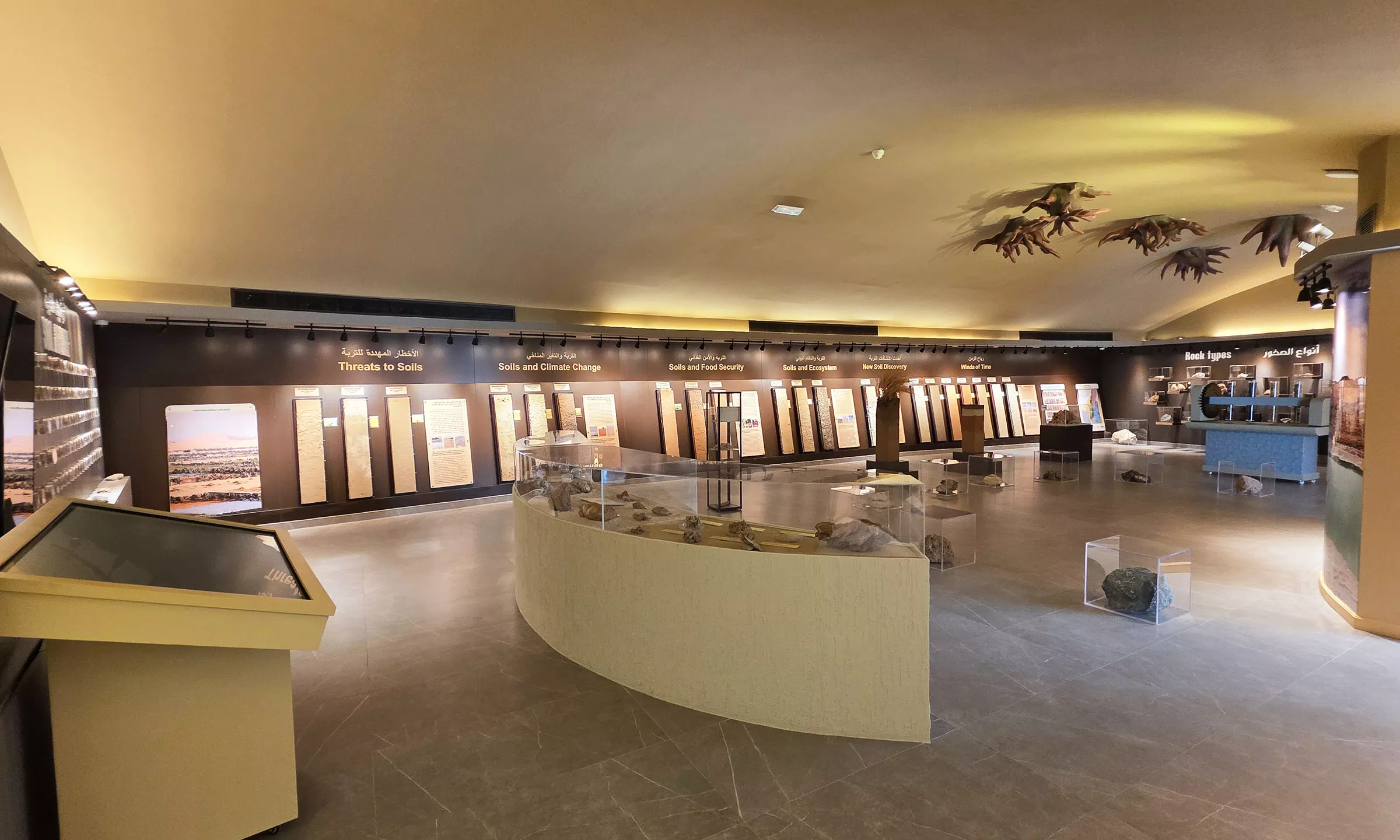
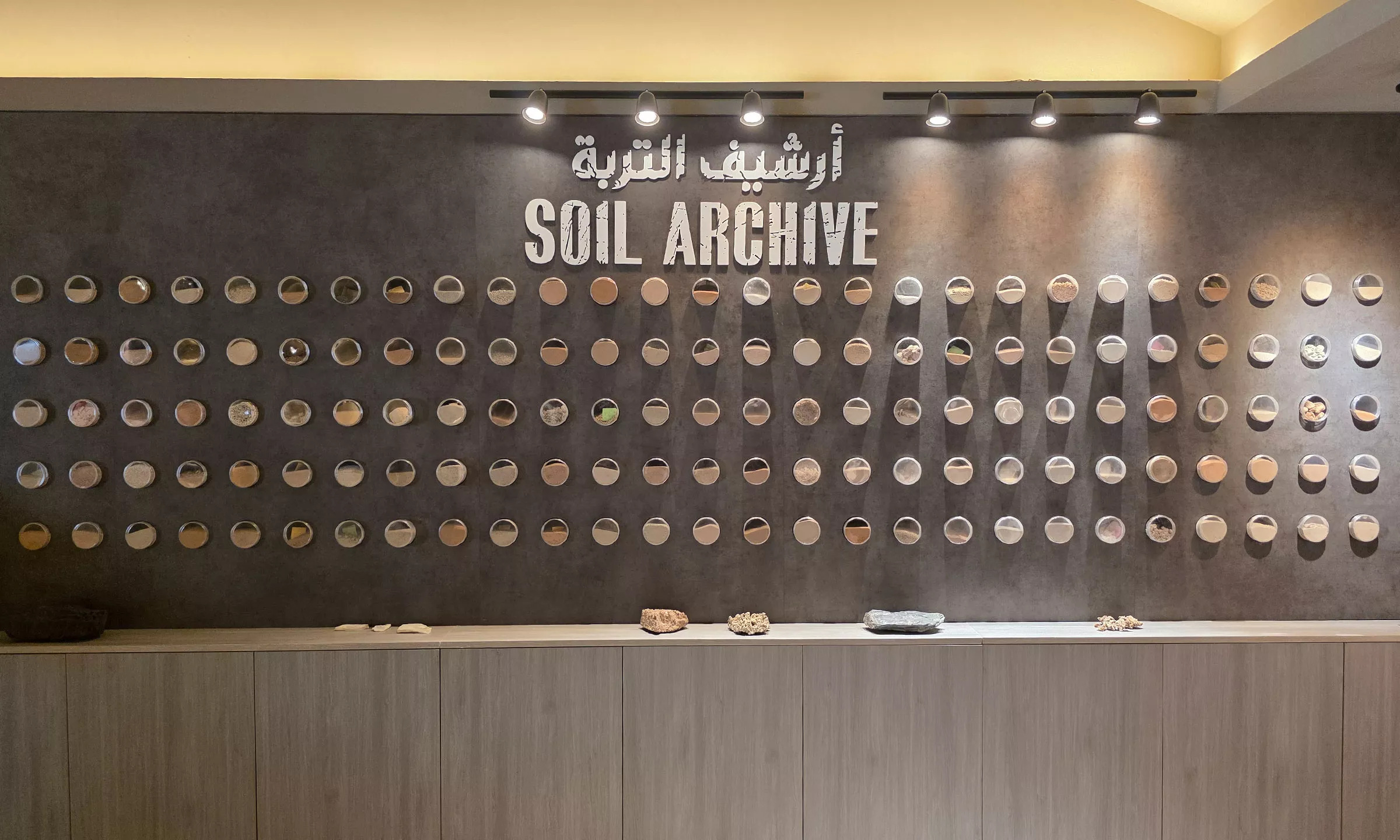
The blueprint builds on the success of the Emirates Soil Museum, established by ICBA in 2016 with financial support from ADFD.
Soil museums are not merely exhibition spaces, they are living classrooms, policy incubators, and community engagement hubs that bridge the gap between scientific research and public understanding, making the soil related information simple at the same time comprehensive.
ICBA has long been at the forefront of advancing soil science, particularly in the context of effective soil health assessment, saline soil management, and sustainable land practices in arid and challenging environments.
Reclaiming Soil Knowledge: Why a Regional Blueprint for Soil Museums Matters Now
2 July 2025
Soil is often treated as an invisible layer beneath our feet, overlooked in public conversations, yet essential to every form of life on Earth. It is the foundation of food systems, biodiversity, water management, and climate resilience. In the world’s most fragile environments, the need to protect and understand soil has never been more urgent.
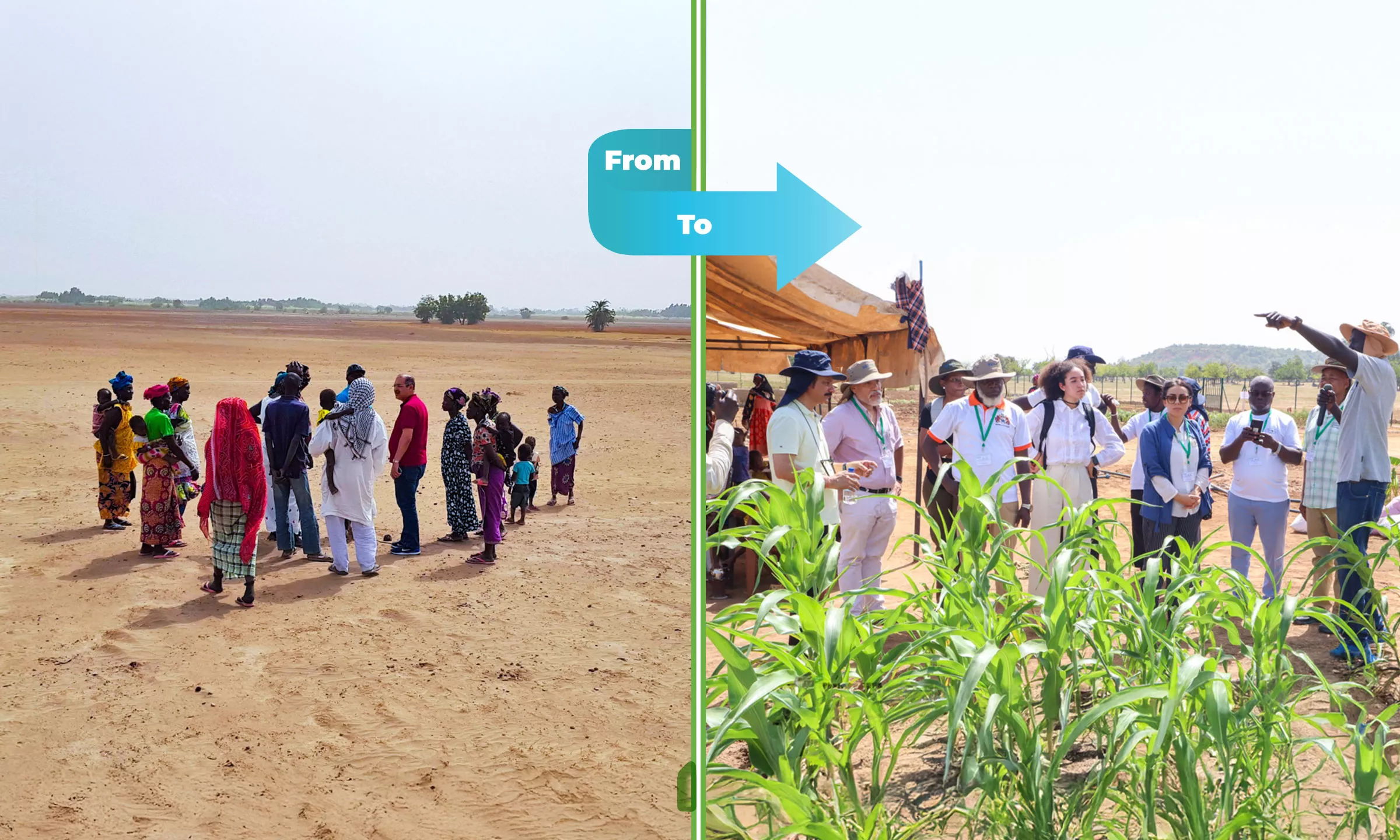
At the International Center for Biosaline Agriculture (ICBA), this commitment guides every area of our work. Whether restoring degraded lands, enhancing water use efficiency, or conserving crops’ biodiversity, we focus on supporting communities living in the world’s most resource-challenged saline, arid and water scarce environments.
ICBA’s work is grounded in the realities of saline areas, drylands and coastal zones, where the natural balance is delicate and disruptions can have lasting effects. In these regions, soil is prone to degradation and salinization, freshwater is limited, and ecosystems are under ever increasing pressure. Addressing these challenges requires science-based innovations that respect both ecological limits and local knowledge.
Conservation of natural resources is no longer a passive goal—it is integral to building resilient systems that serve both people and the environment. At ICBA, this means rethinking how biosaline agriculture, policy advocacy, education, and community engagement intersect with natural resources protection.
World Nature Conservation Day 2025: Safeguarding Resources, Sustaining Resilience
Sunday, 27 July, 2025
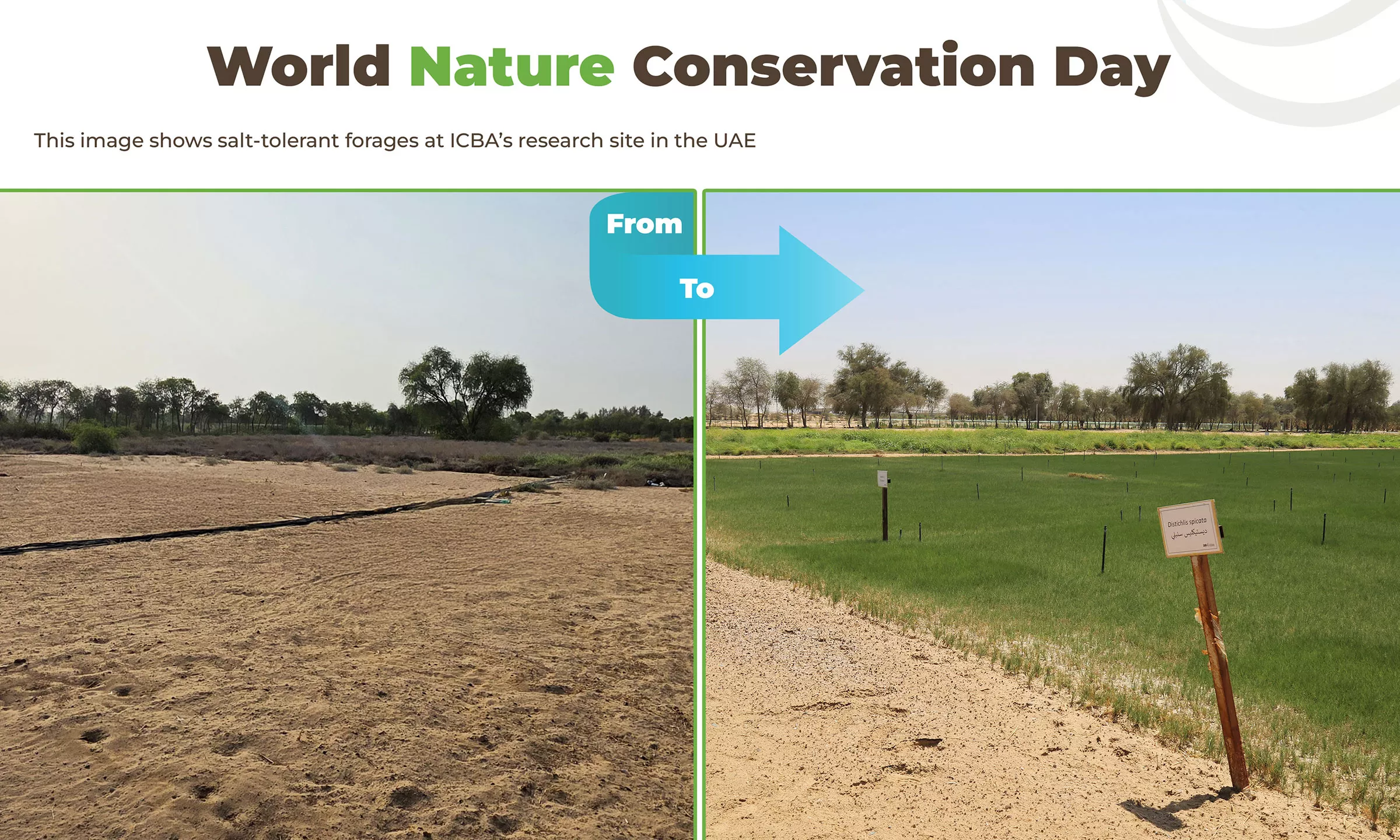
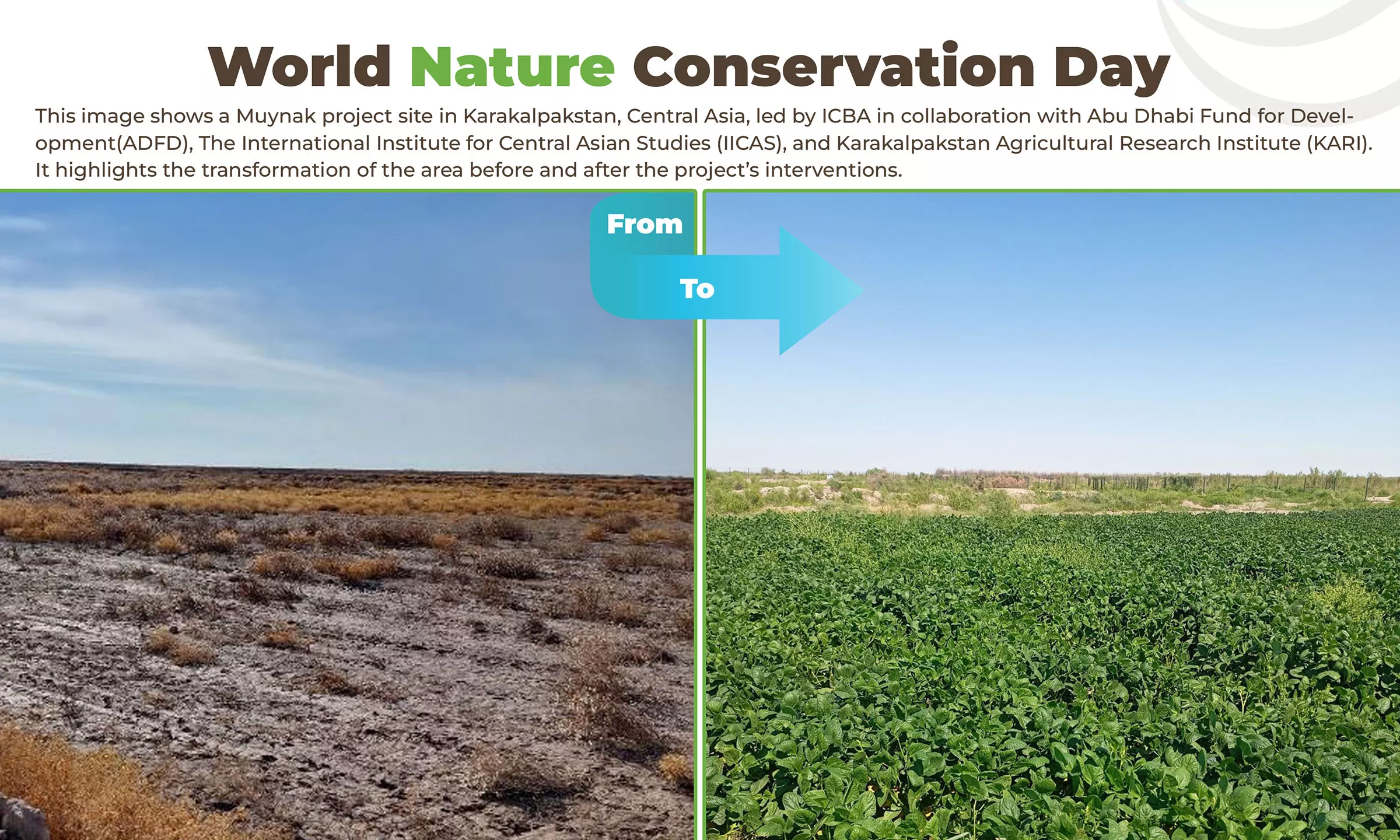
Nature is the foundation of life. It determines how we grow food, secure water, sustain soil health, maintain biodiversity, and adapt to a changing climate. On World Nature Conservation Day, we recognize the profound value of protecting natural ecosystems—especially as environmental stress continues to rise in many parts of the world.
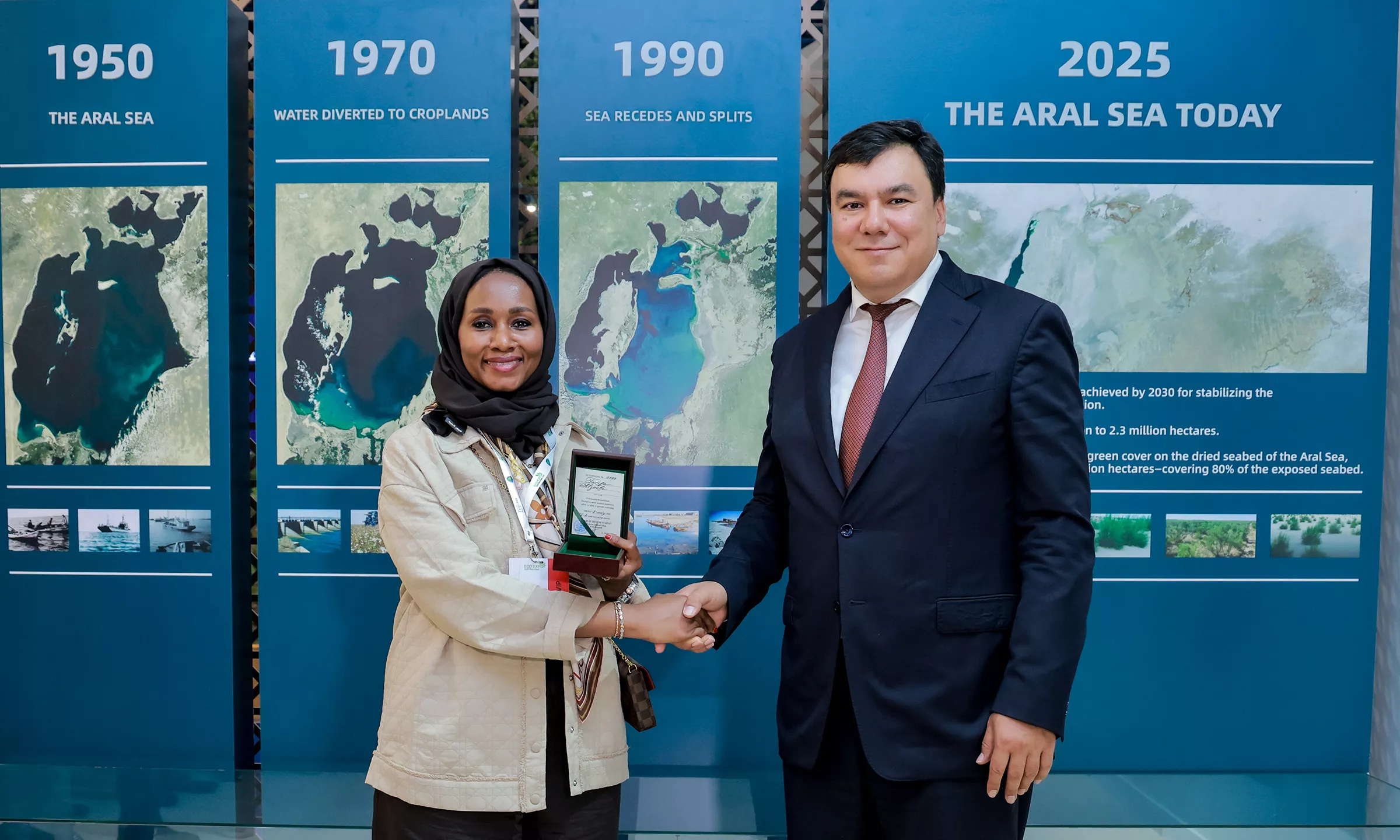
Honor presented during Eco Expo Central Asia 2025 in recognition of her contributions to sustainable land use and climate-resilient agriculture
Dr. Tarifa Alzaabi Awarded Uzbekistan’s “Defender of Nature” Badge for Environmental Leadership
23 June 2025
The Government of Uzbekistan has awarded Dr. Tarifa Ajeif Alzaabi, Director General of the International Center for Biosaline Agriculture (ICBA), the prestigious “Tabiat Himoyachisi” (Defender of Nature) badge of honor. The recognition highlights Dr. Tarifa’s outstanding contributions to environmental sustainability, scientific cooperation, and the advancement of sustainable agriculture in fragile ecosystems.
ICBA showcased scientific leadership and regional collaboration at Central Asia’s leading environmental forum.
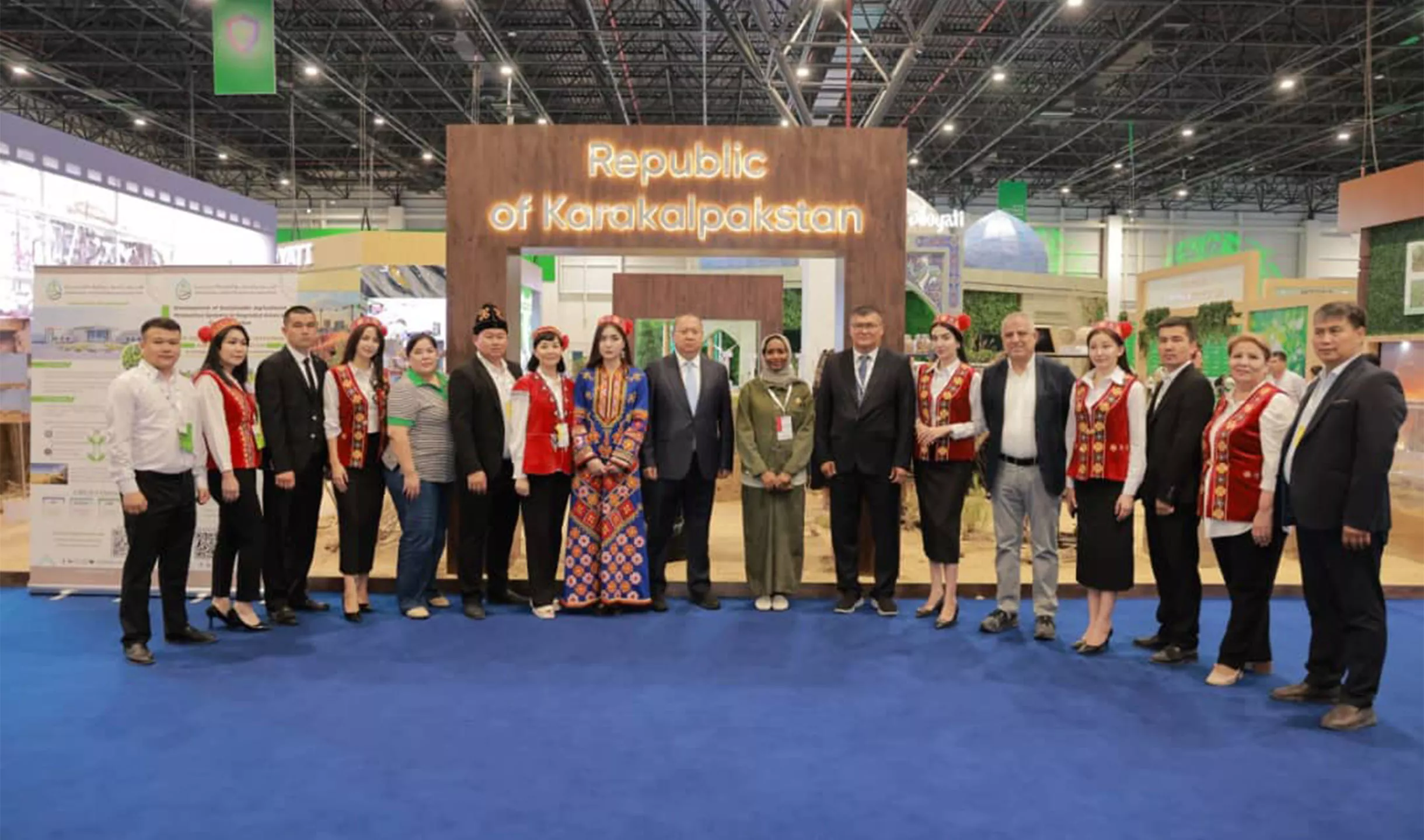
ICBA Concludes Participation at Eco Expo Central Asia 2025
28 June 2025
The International Center for Biosaline Agriculture (ICBA) concluded a high-impact and strategically coordinated presence at Eco Expo Central Asia 2025 in Tashkent, Uzbekistan. As the region’s foremost platform for environmental innovation, the expo brought together government leaders, scientists, and development institutions to advance collaborative climate action and sustainable solutions for fragile environments.
ICBA’s booth, attracted wide interest from visitors, including government officials, high-level dignitaries, international partners, as well as researchers, students, and private sector representatives.
ICBA Concludes Participation at Emirates Agriculture Conference and Exhibition 2025
3 June 2025
The International Center for Biosaline Agriculture (ICBA) concluded its participation at the Emirates Agriculture Conference and Exhibition 2025, held from 28 to 31 May at the ADNEC Centre in Al Ain.